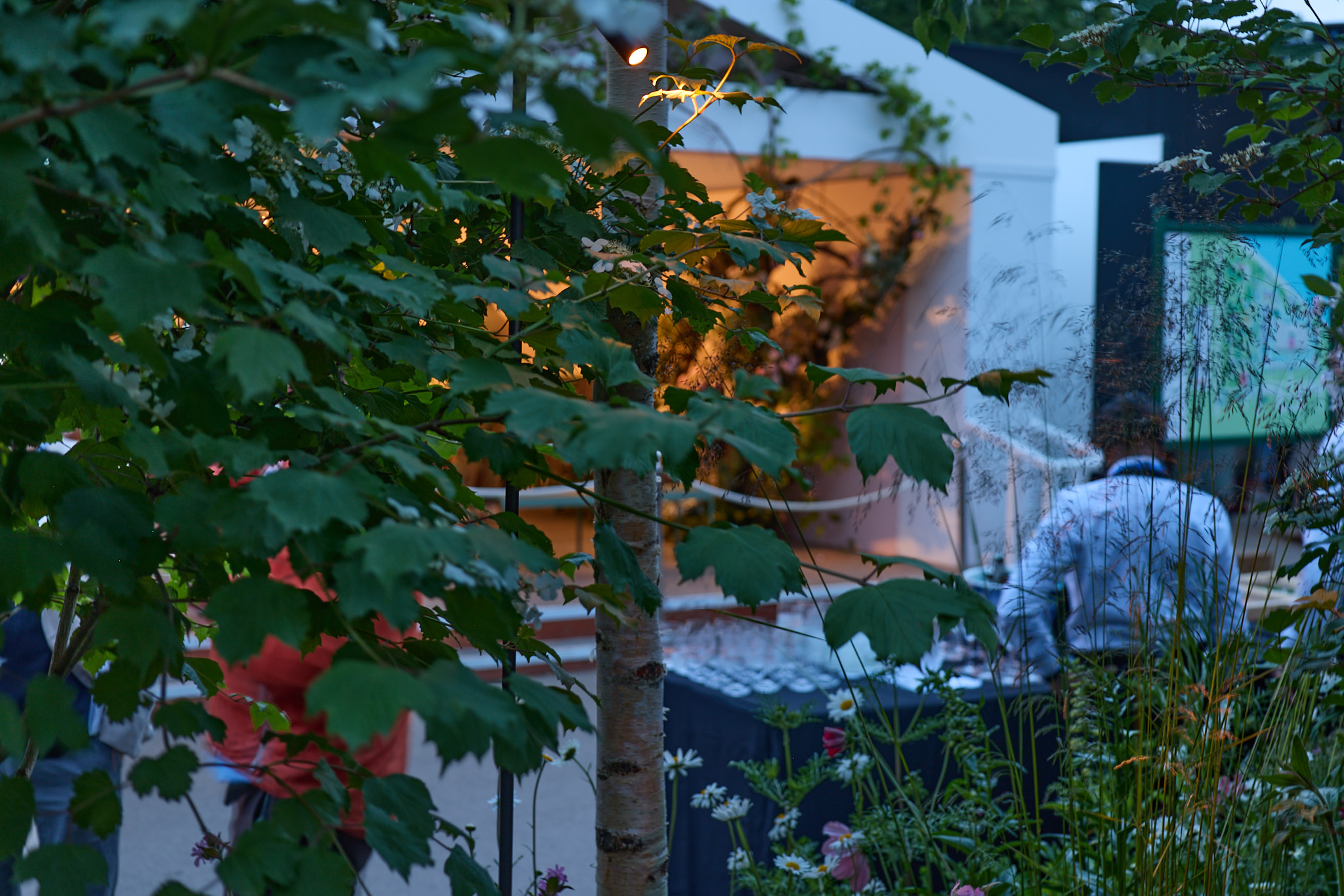
We designed and manufactured every light in the Bat Conservation Trust's first-ever Chelsea Flower Show garden - a scheme built entirely around dark sky principles and the needs of Britain’s 18 bat species.
When Melanie Hick approached us to light the Bat Conservation Trust's Nocturnal Garden, the brief was unlike anything we'd had before. It wasn't about showing off the lighting. It was about proving that you can light a garden beautifully while actively protecting the nocturnal wildlife that uses it.
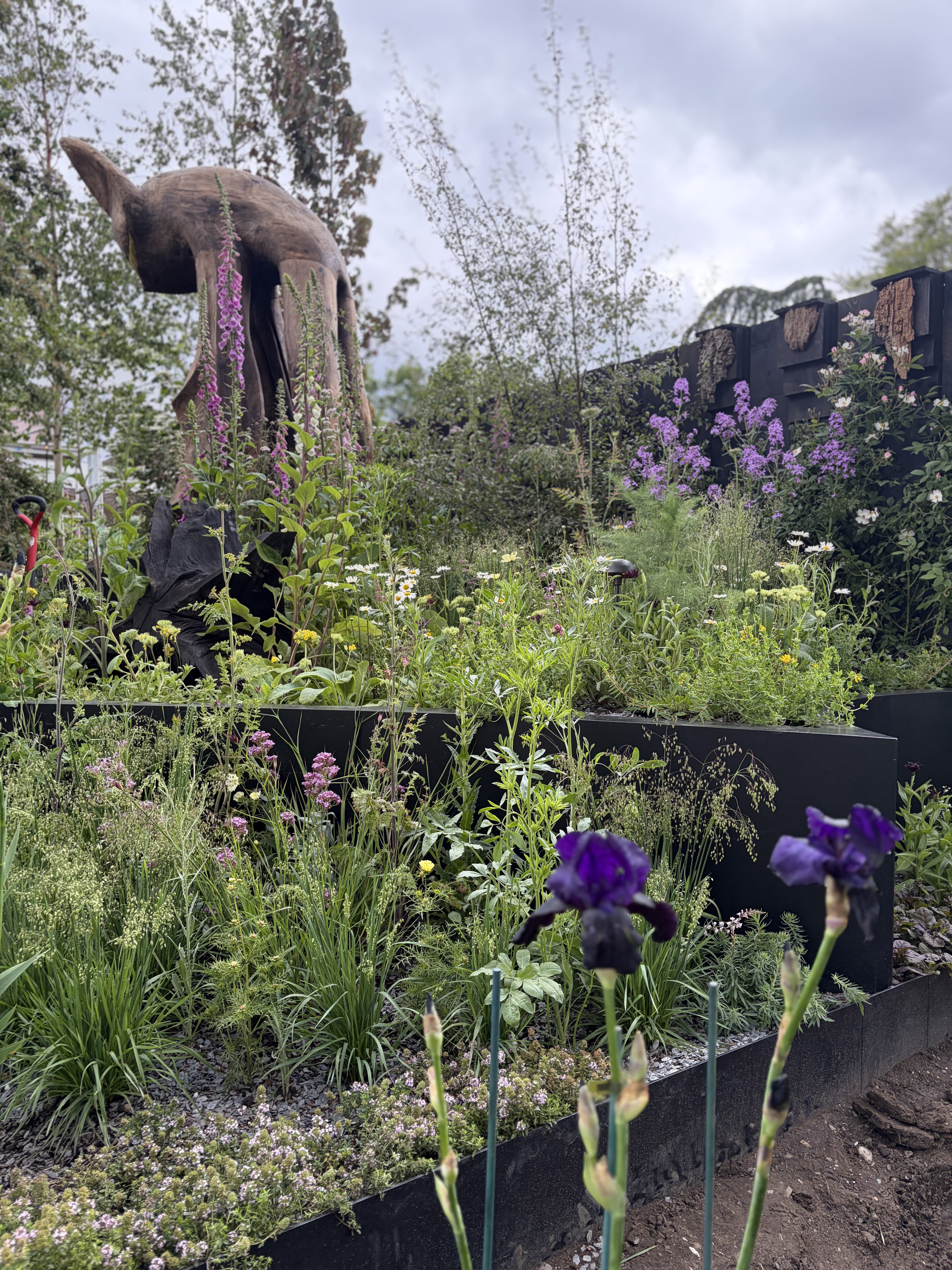
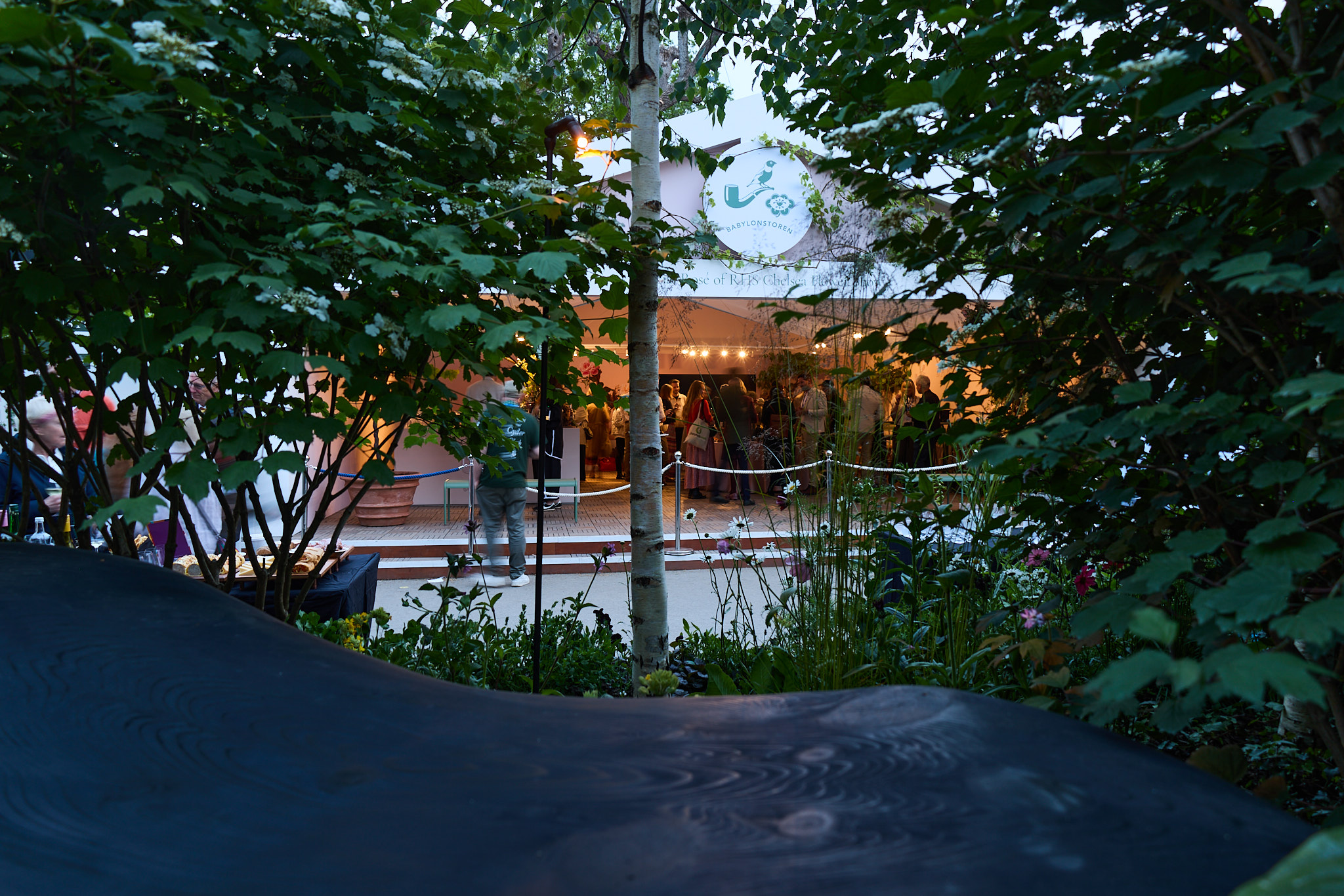
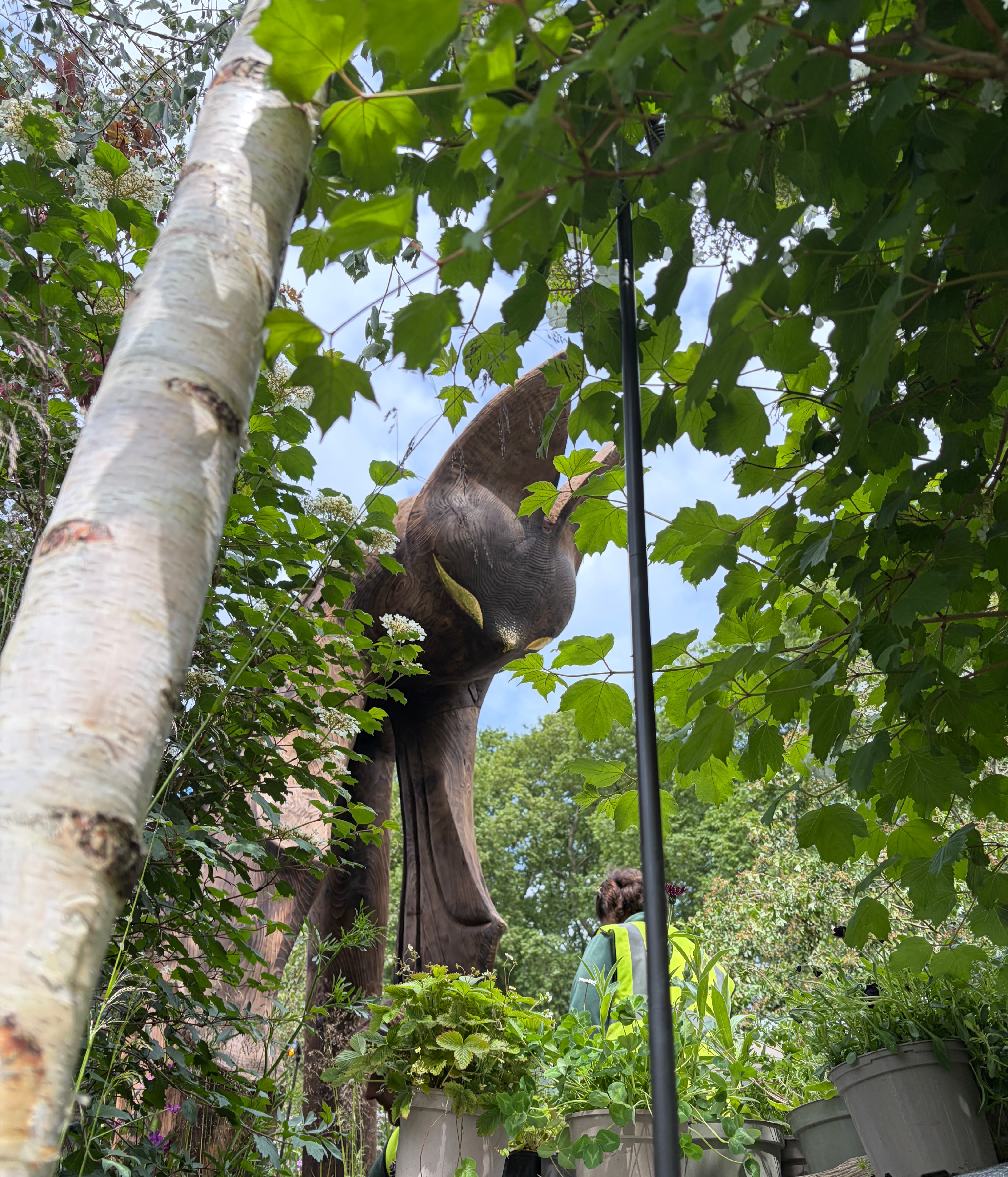
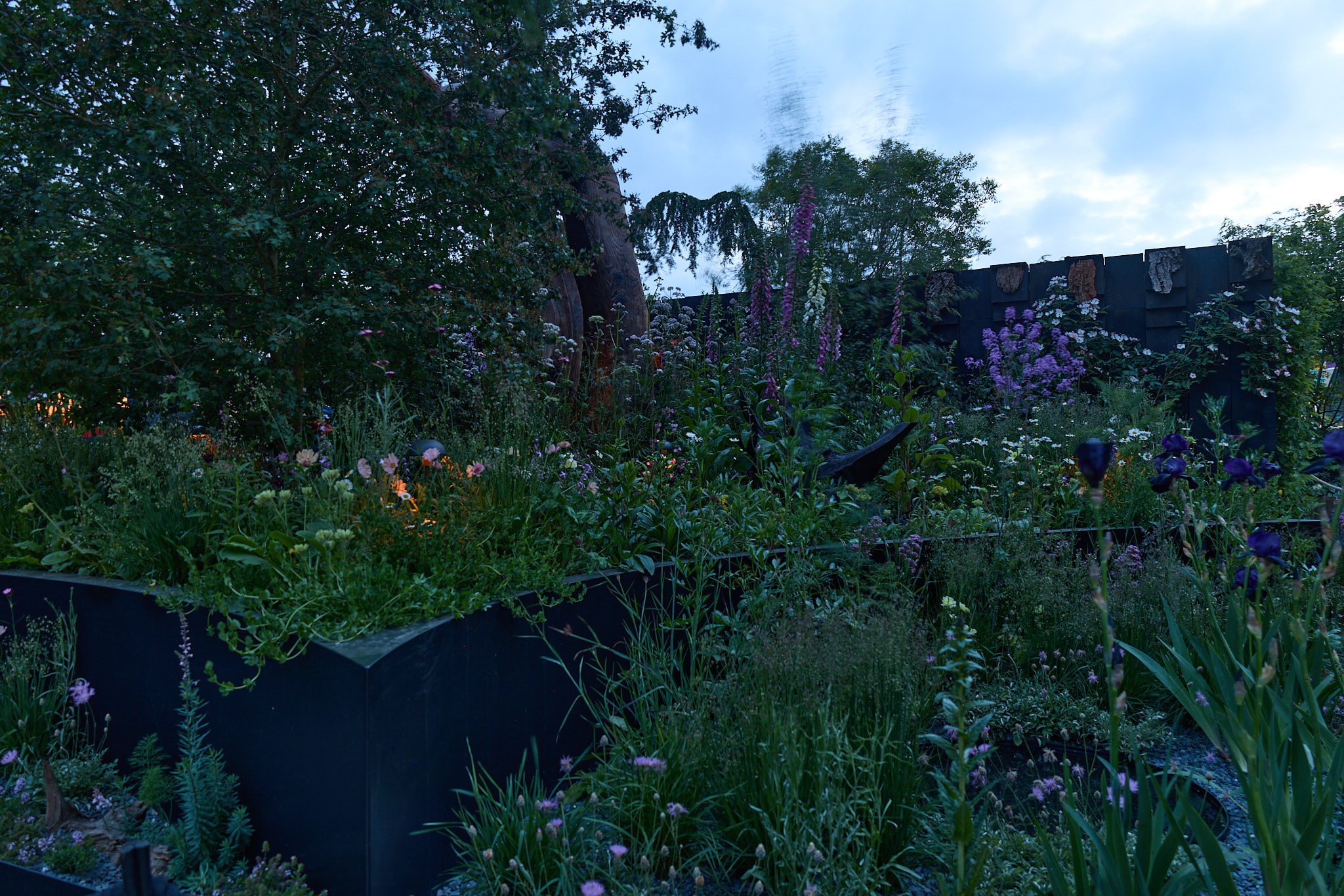
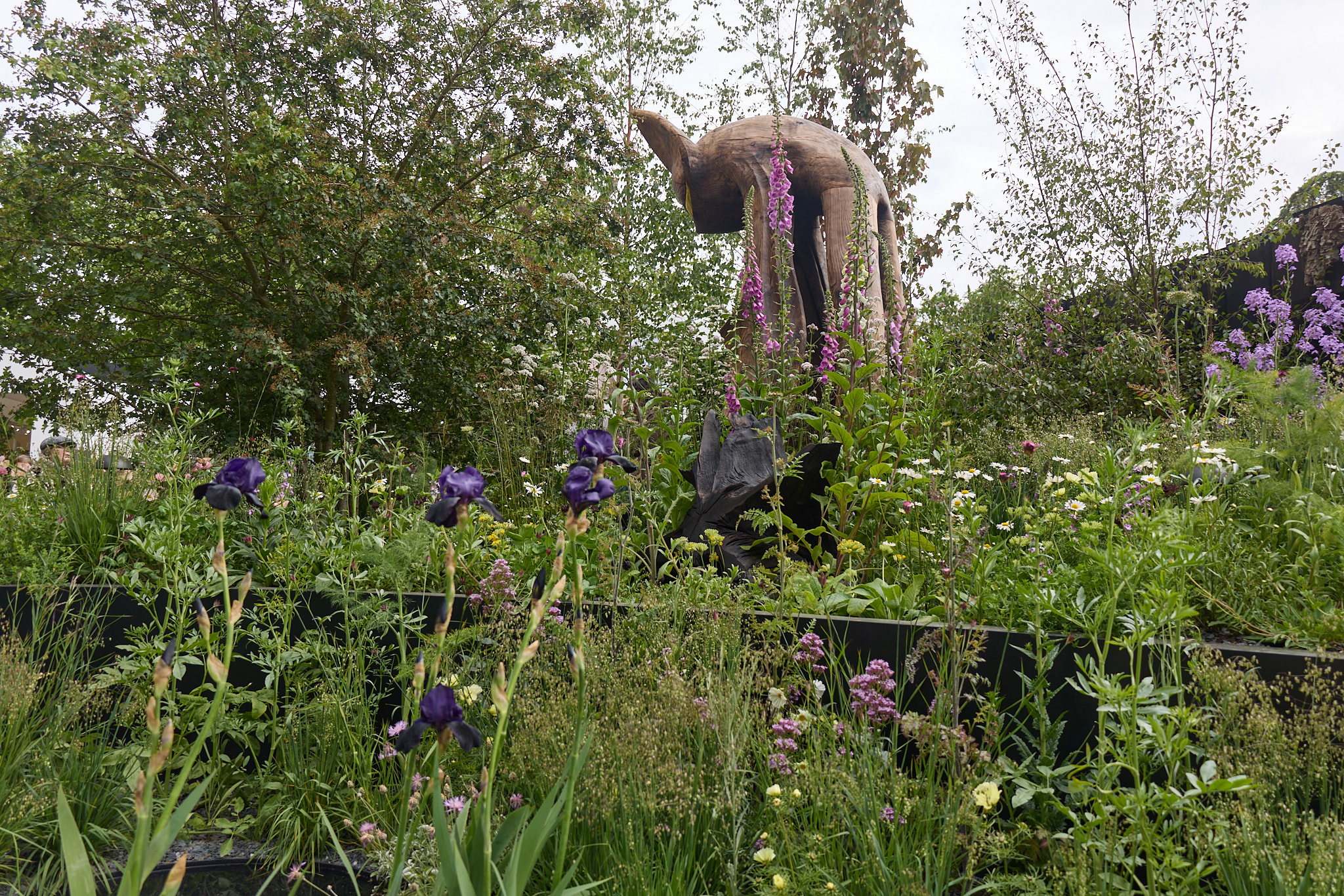
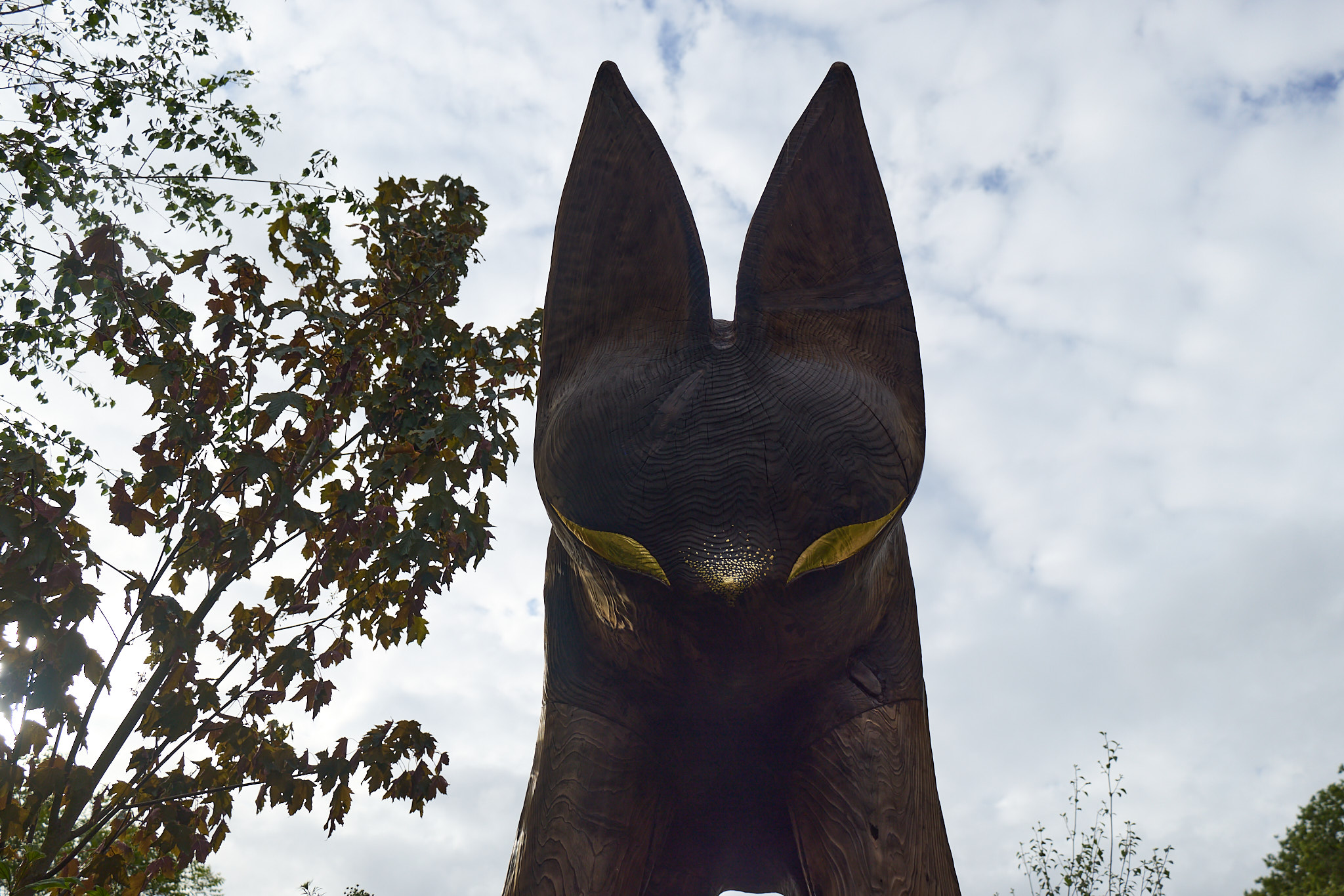
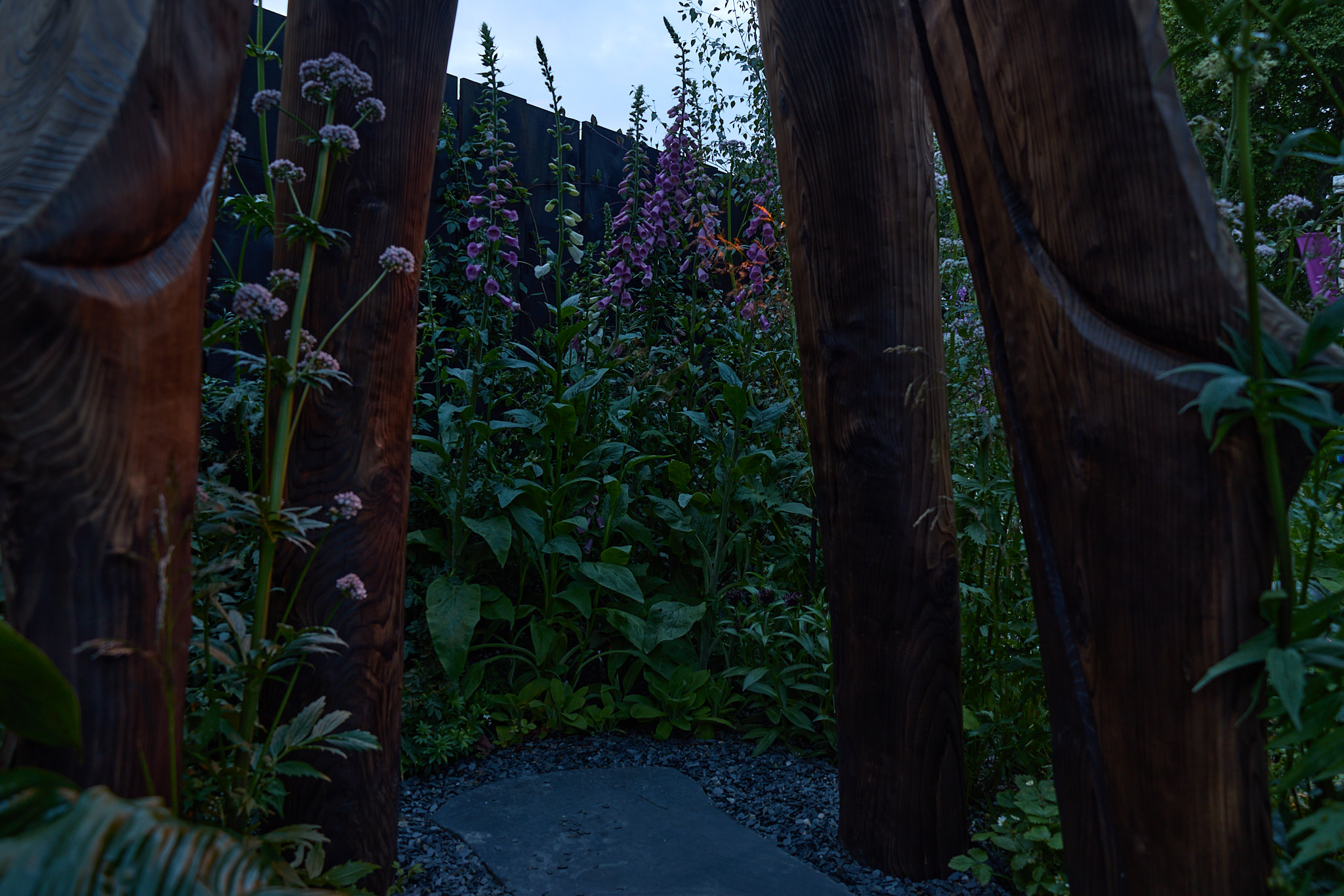
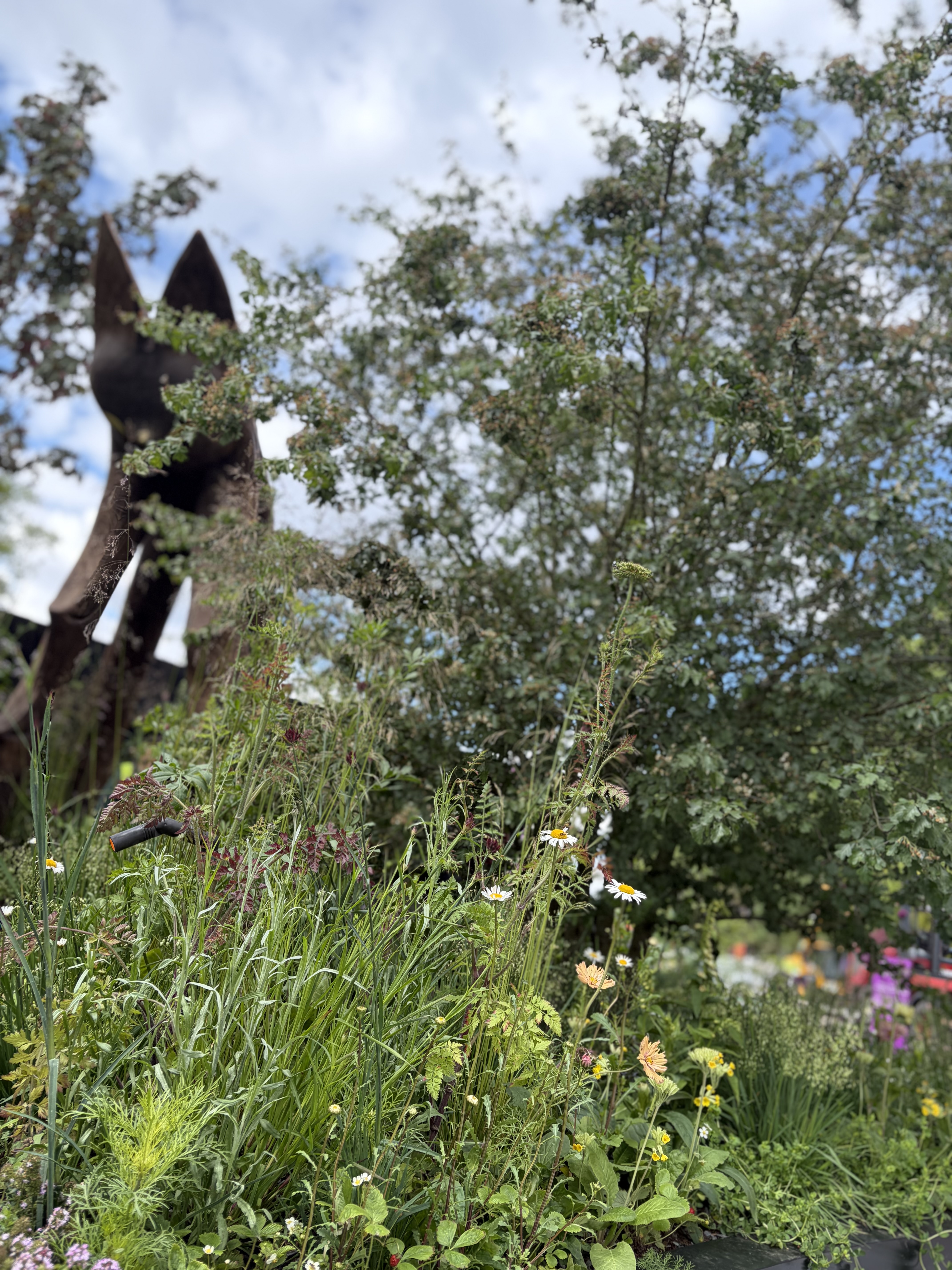
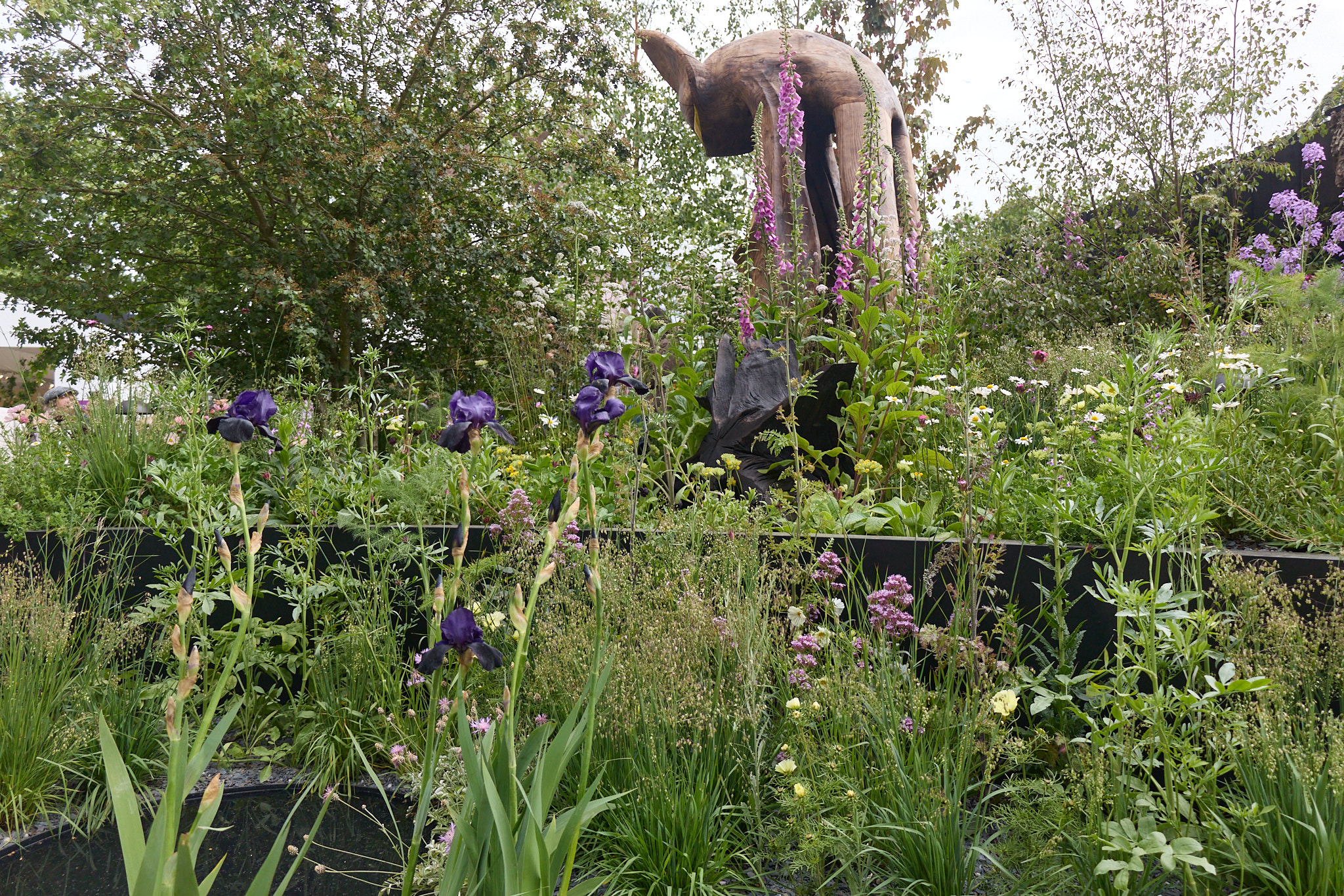
The Nocturnal Garden is the BCT's first Chelsea garden - a naturalistic, dark-palette landscape designed to demonstrate how anyone can create a bat-friendly space at home. The planting draws pollinators and insects that bats feed on. The rear boundary is built from fallen timber, sized to be repurposed into bat boxes after the show. A dark water pool sits at the heart of the design. Everything in this garden is there because it serves bats and the wider nocturnal ecosystem.
The lighting had to serve people - garden visitors who want to enjoy a beautiful space after dark - without undermining everything the garden stands for. That meant following the BCT and ILP's own guidance on bats and artificial lighting, not as a set of rules imposed from outside, but as principles we'd already built our business around.
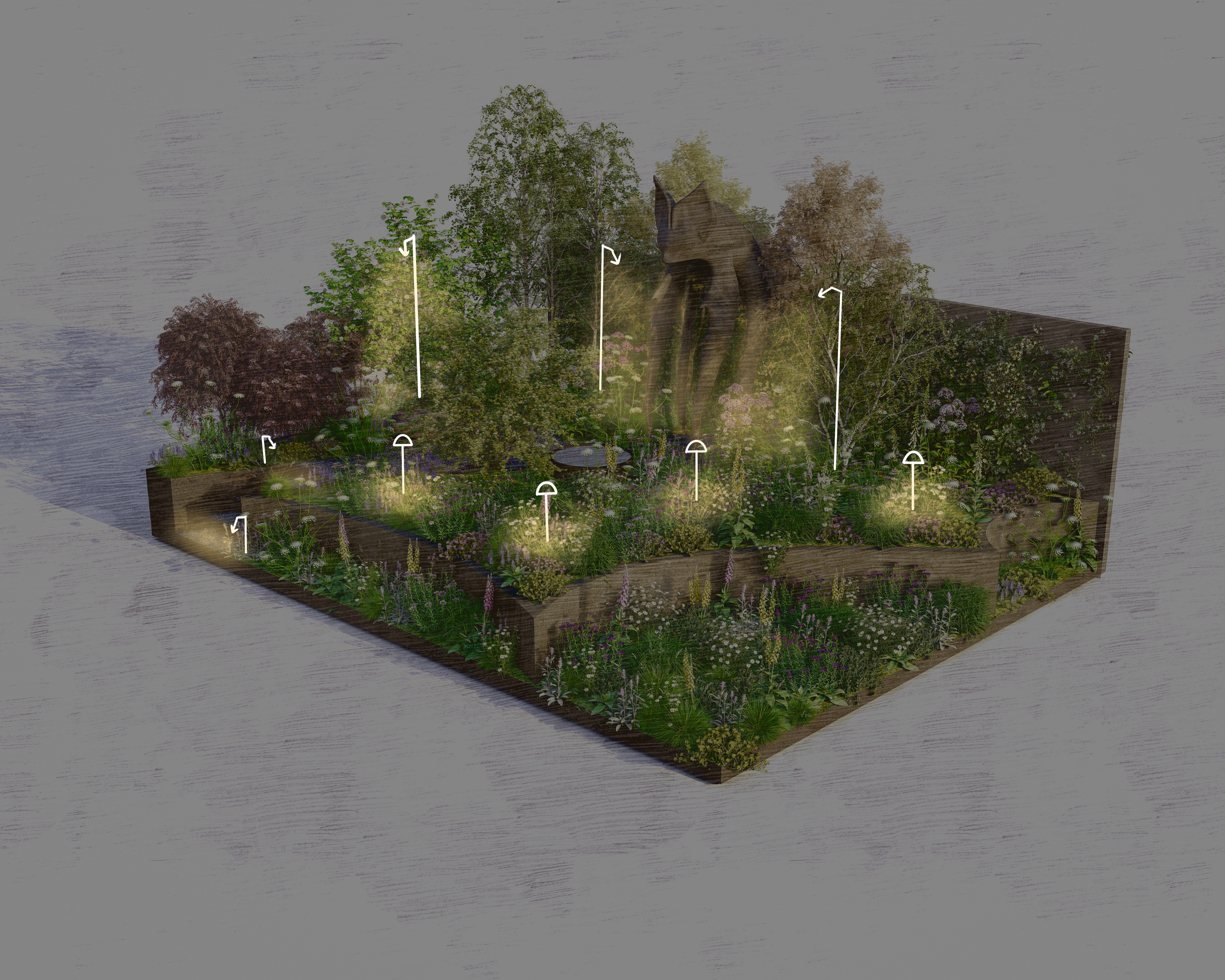
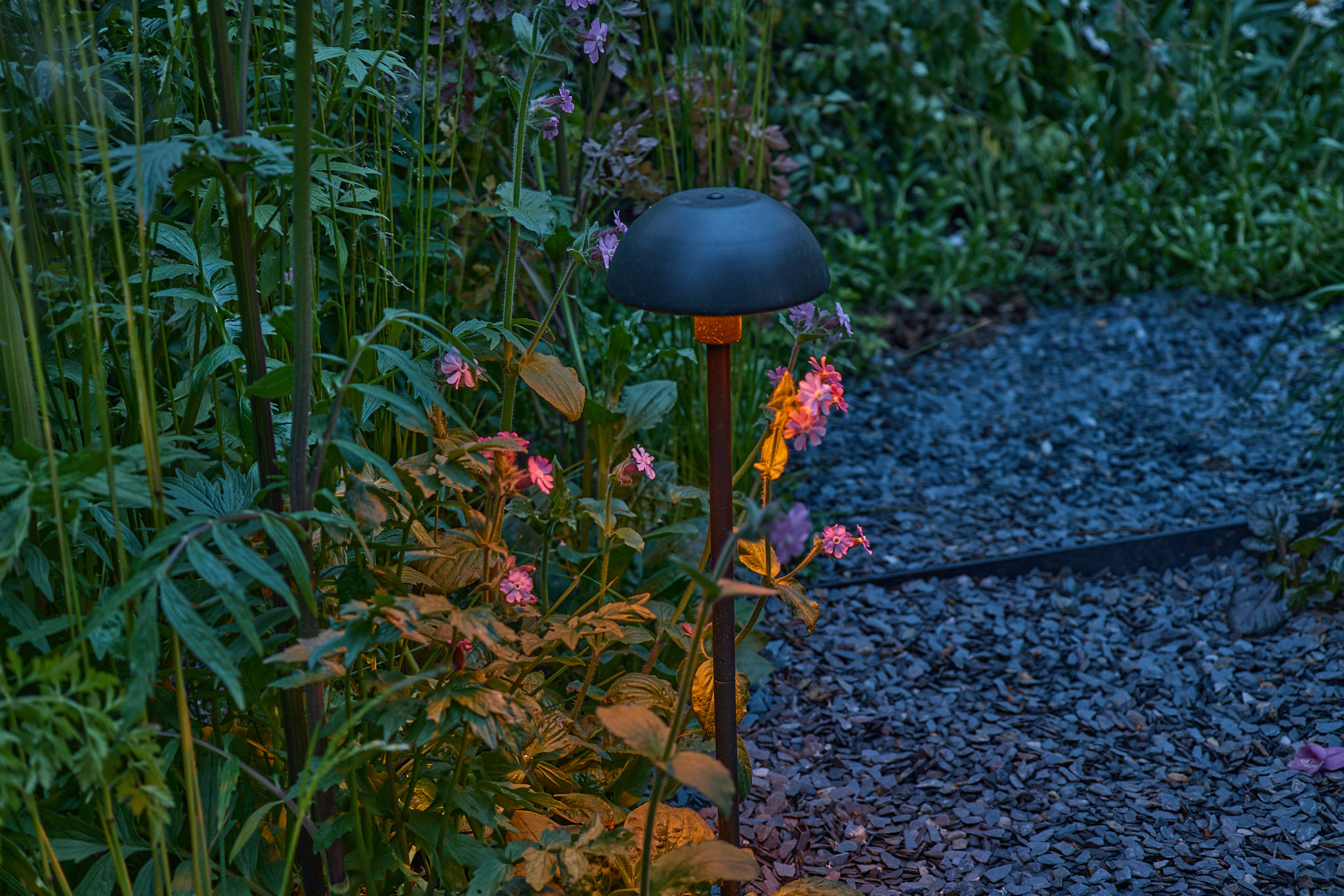
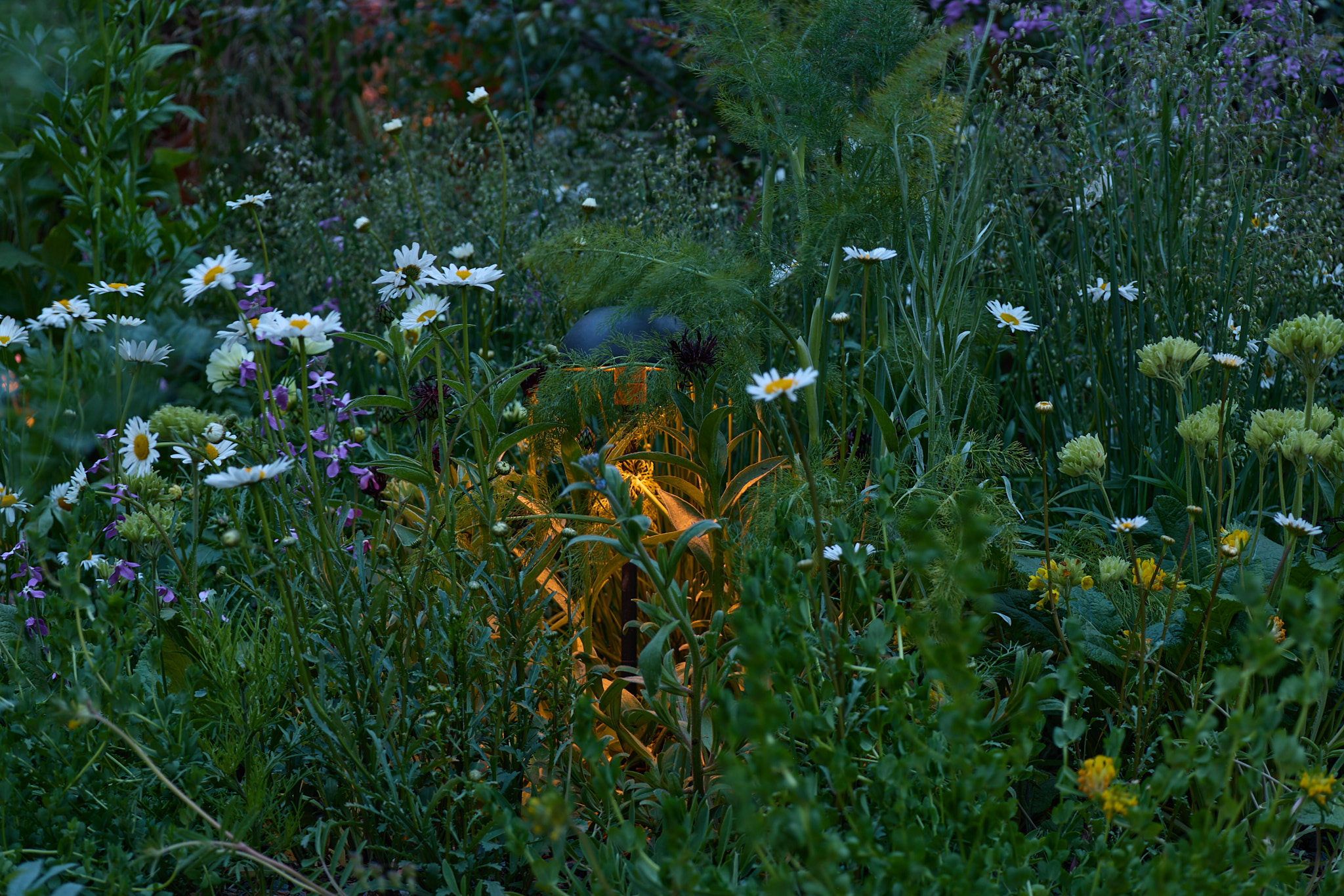
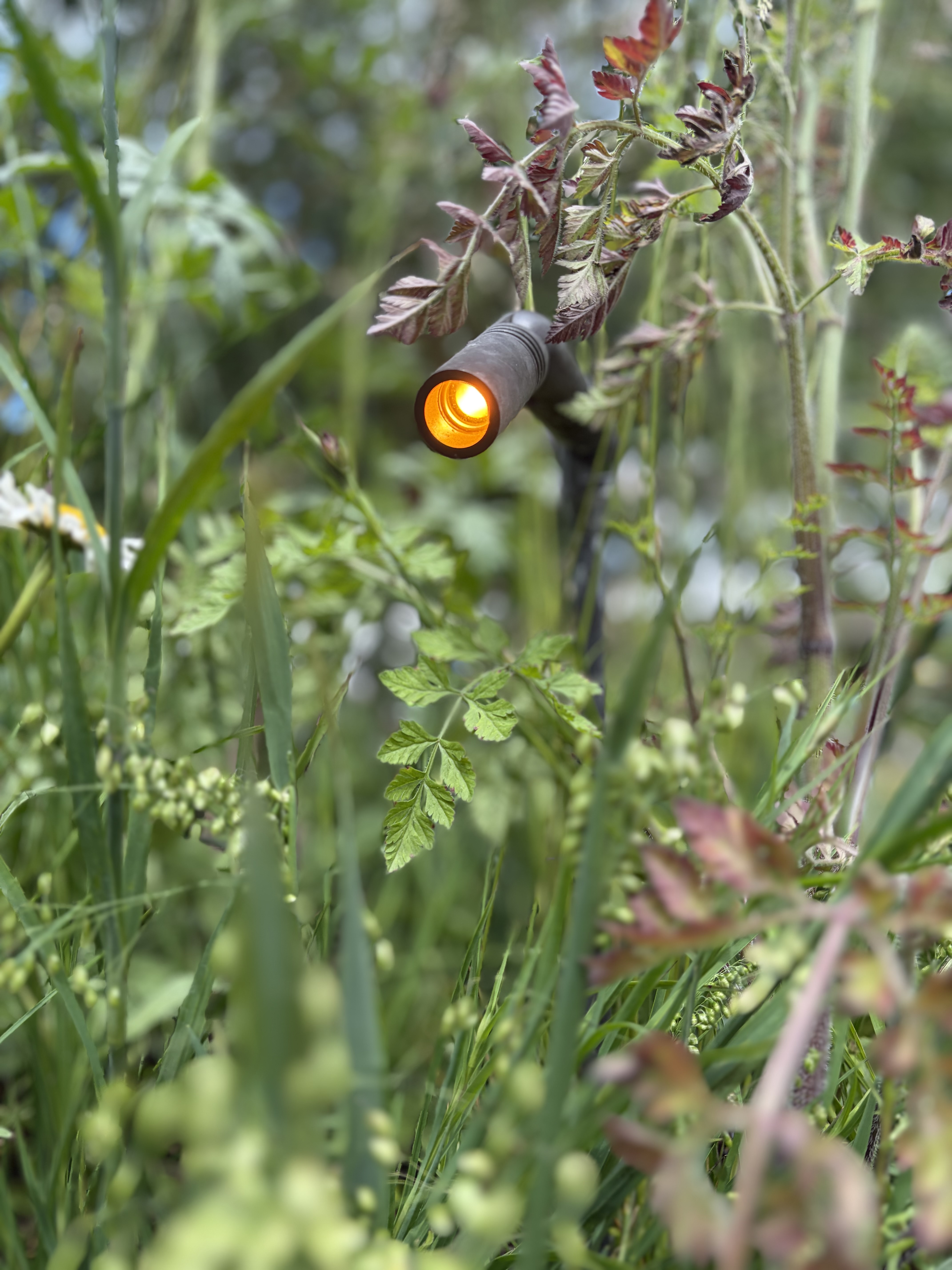
Every light in this garden operates at 1800K - a deep, warm amber that completely eliminates the blue-spectrum light that disrupts bat foraging patterns, insect navigation, and circadian rhythms across nocturnal species. Most garden lighting sold in the UK still ships at 3000K or even 4000K. Even the International Dark-Sky Association's recommendation of 3000K or warmer still permits significant blue light content. At 1800K, there is essentially no blue light in the output at all.
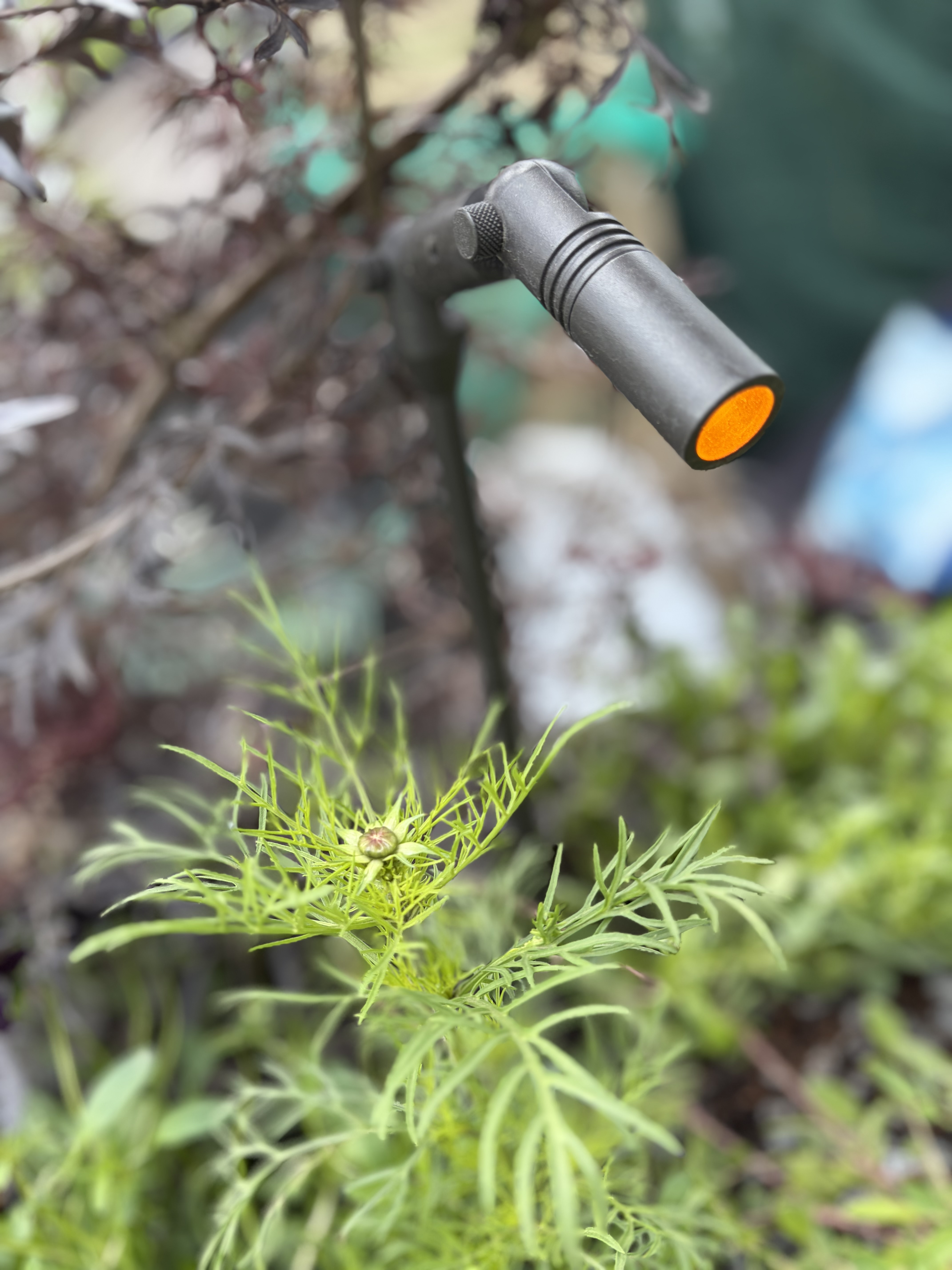
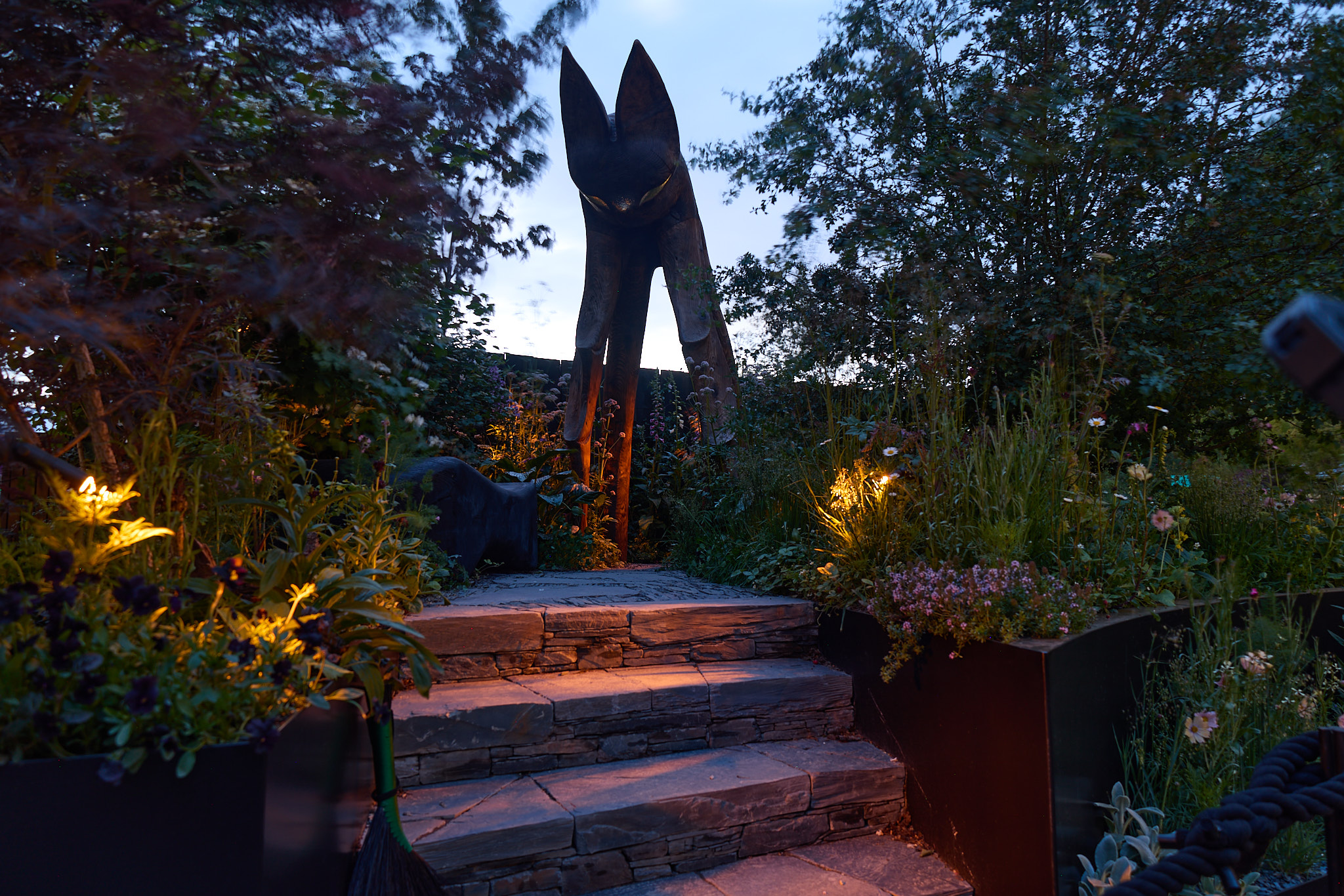
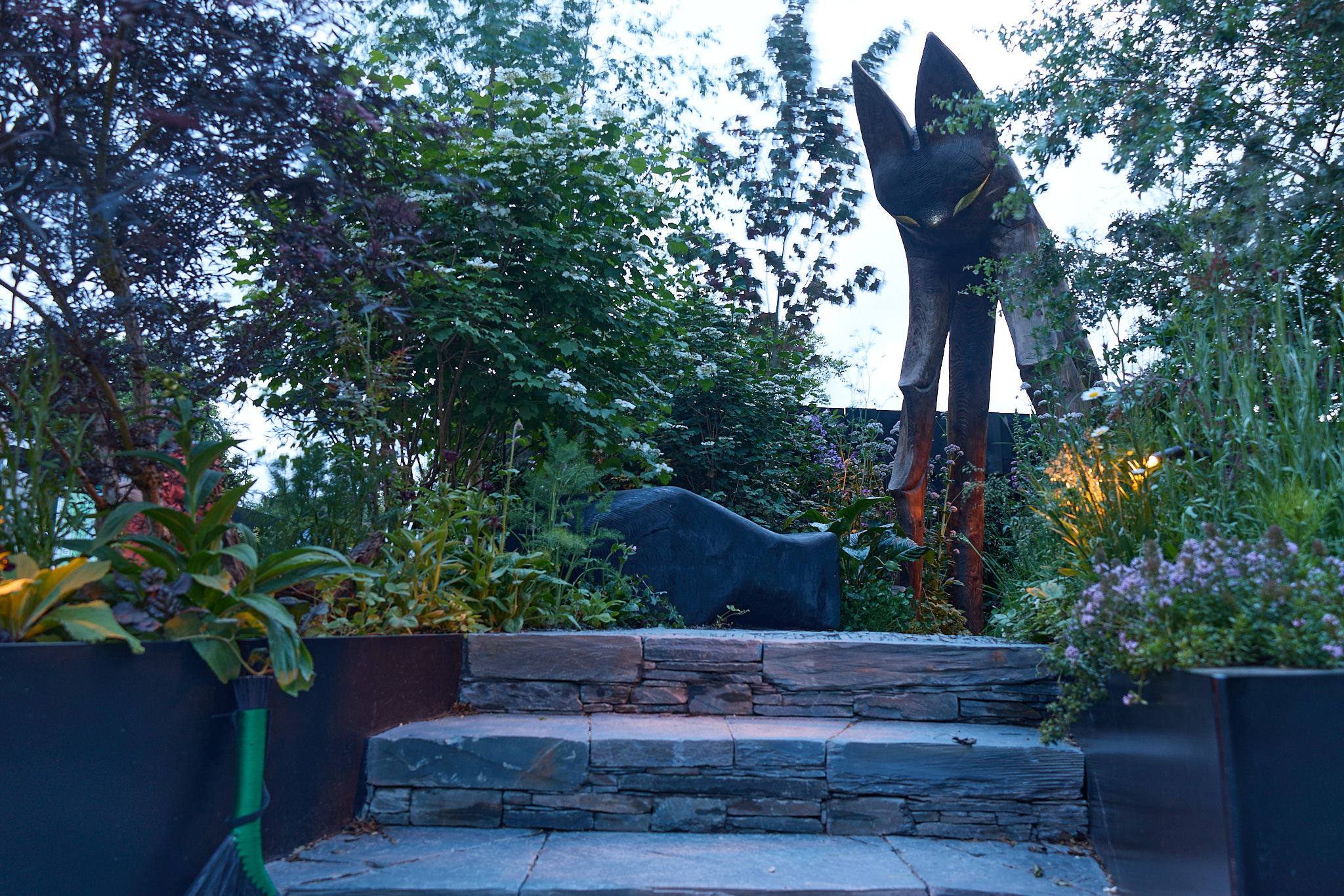
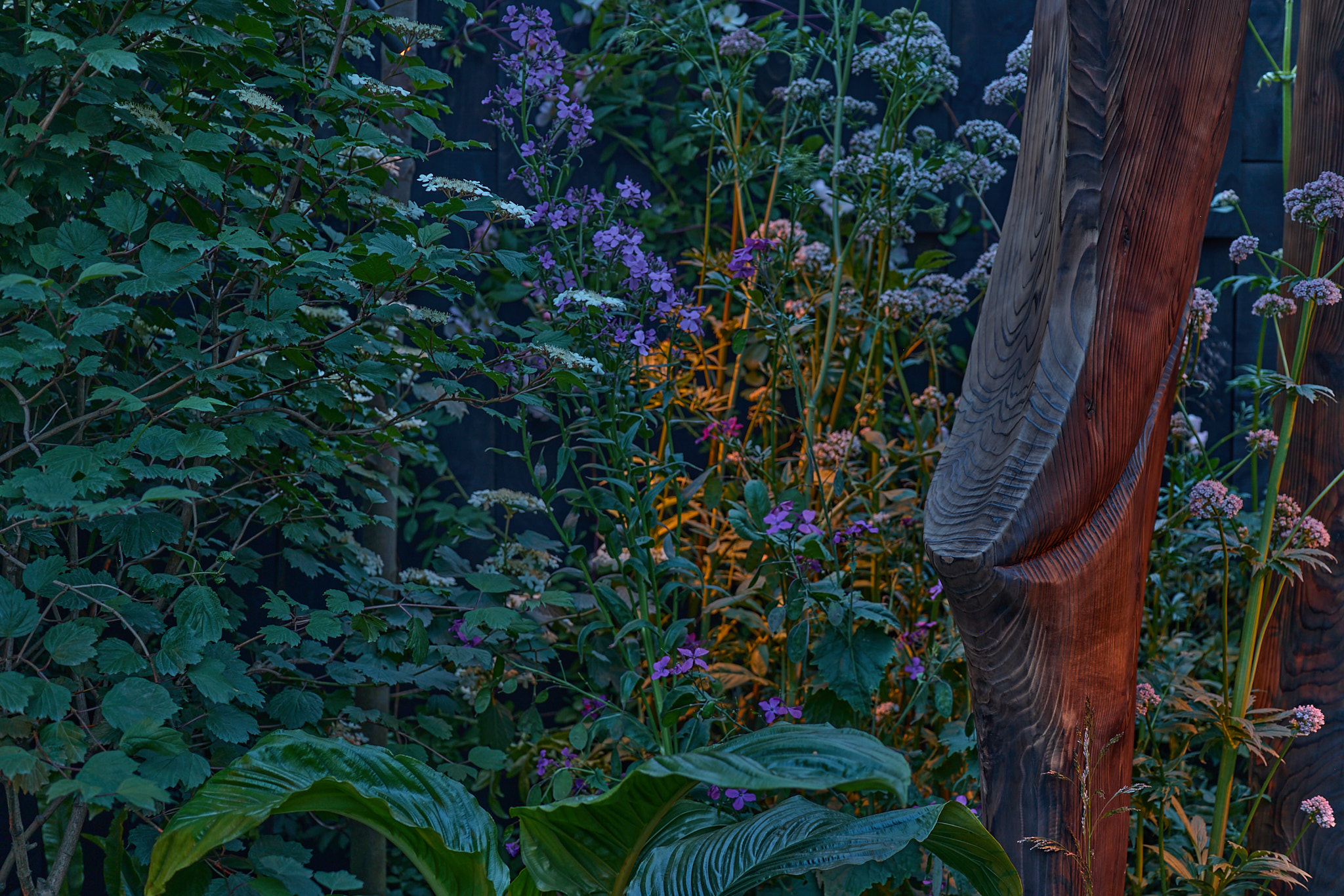
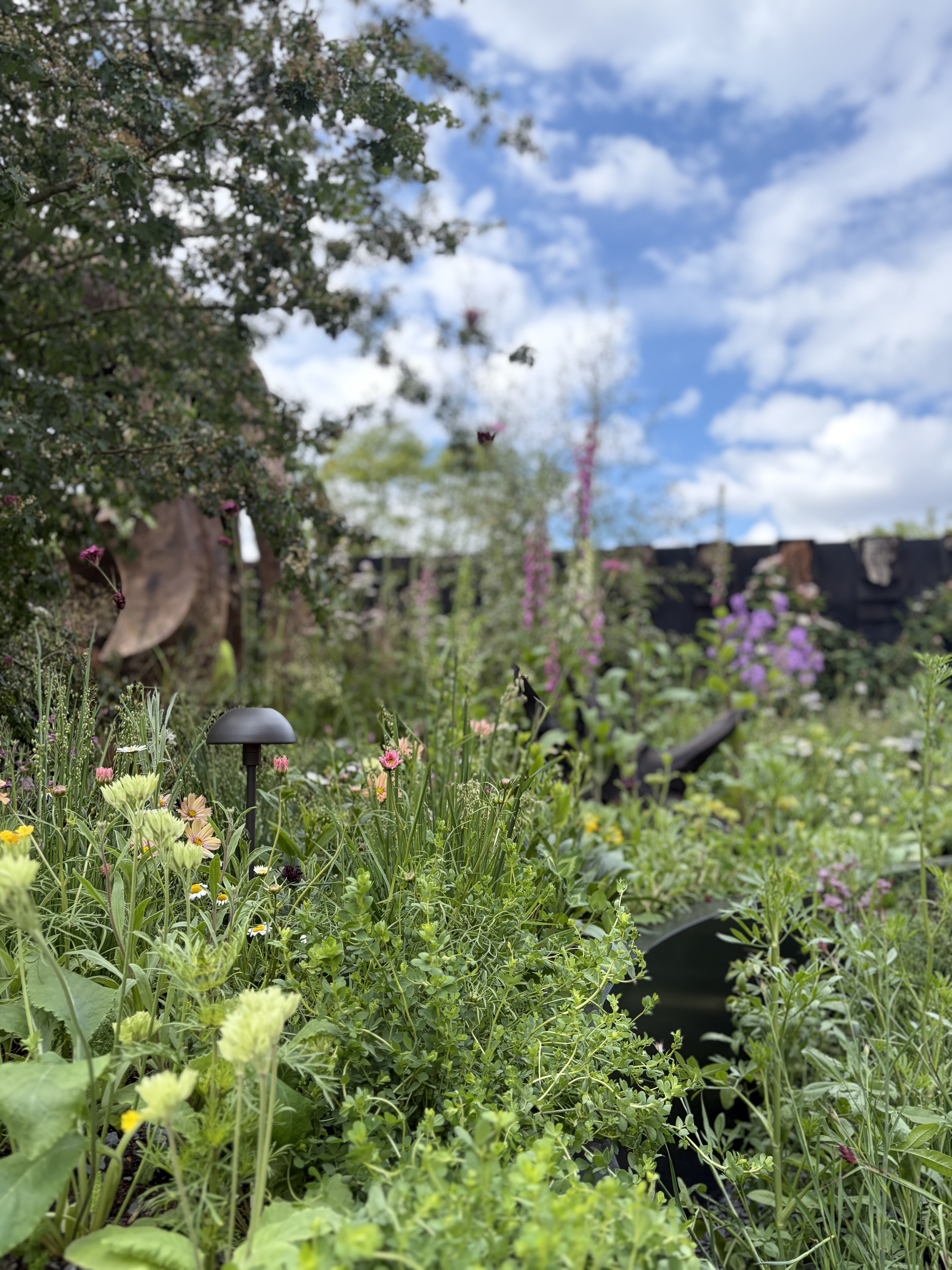
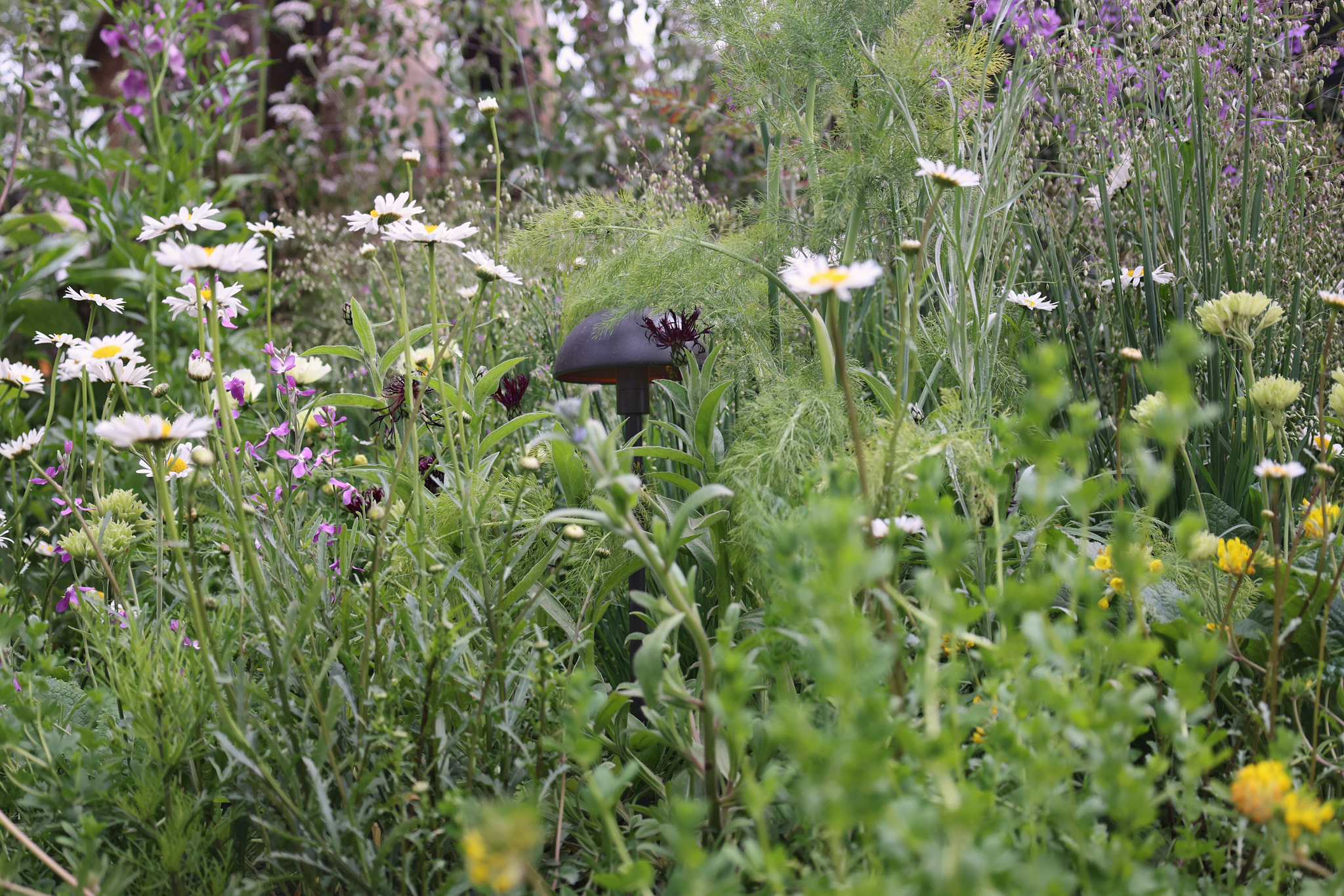
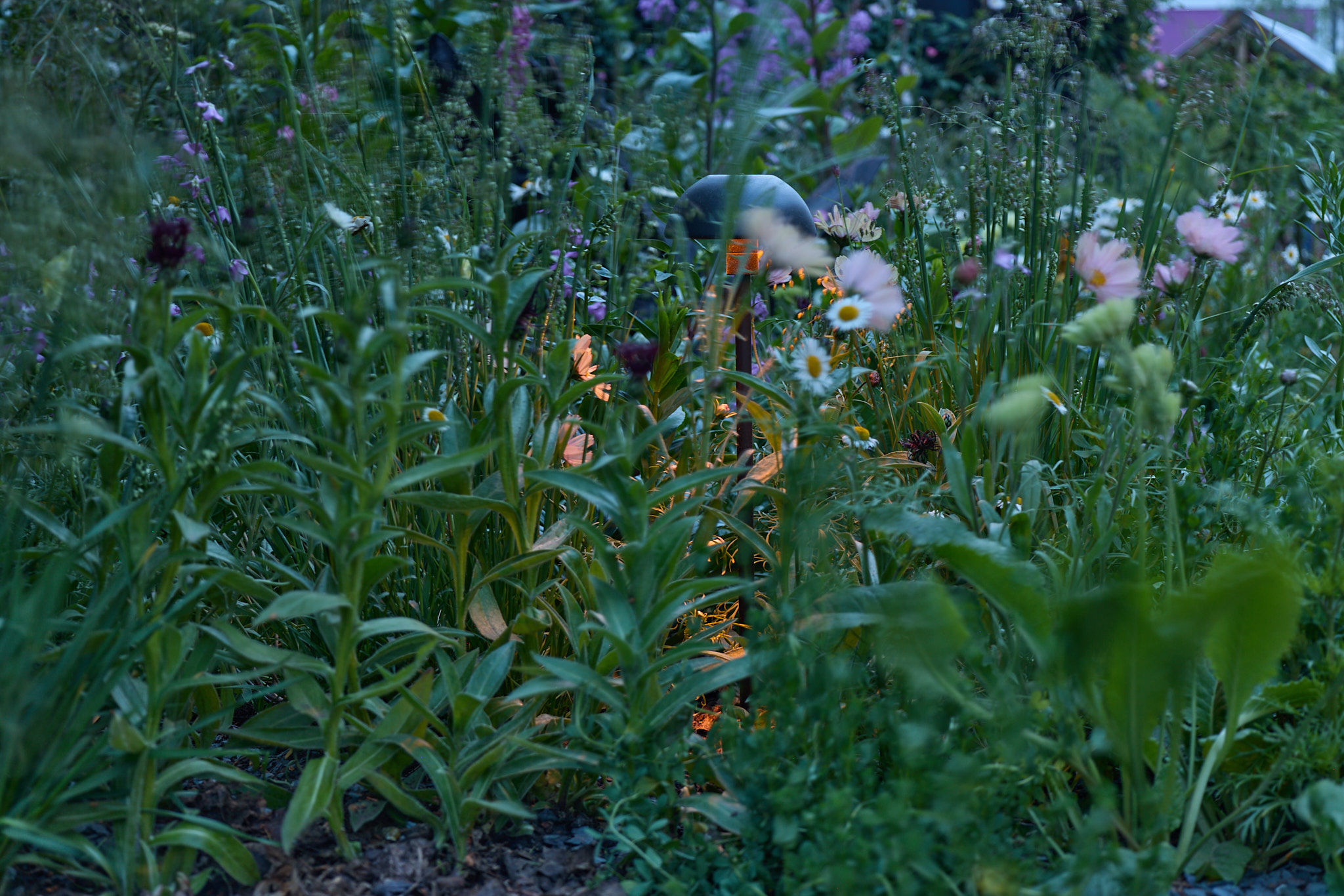
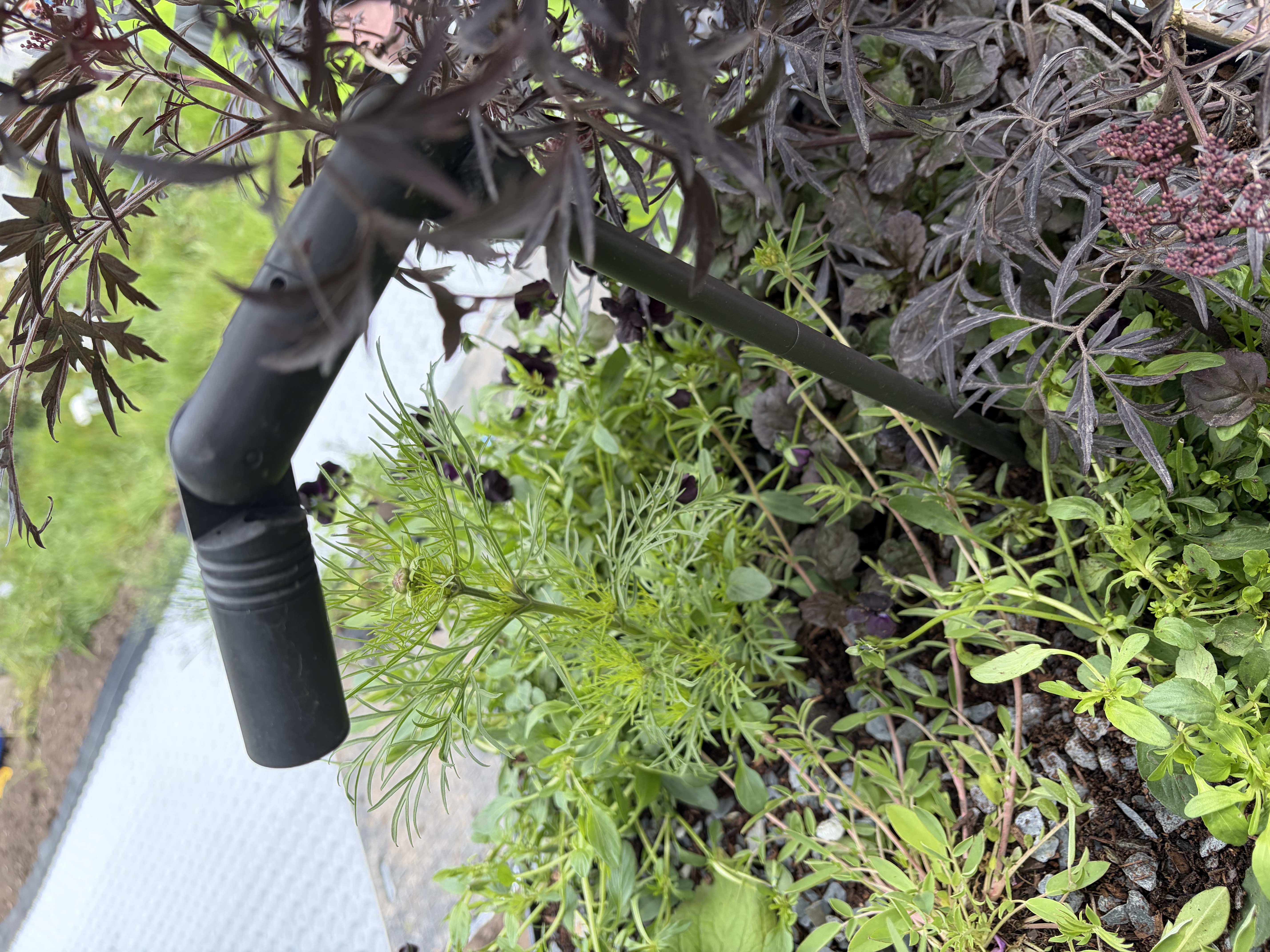
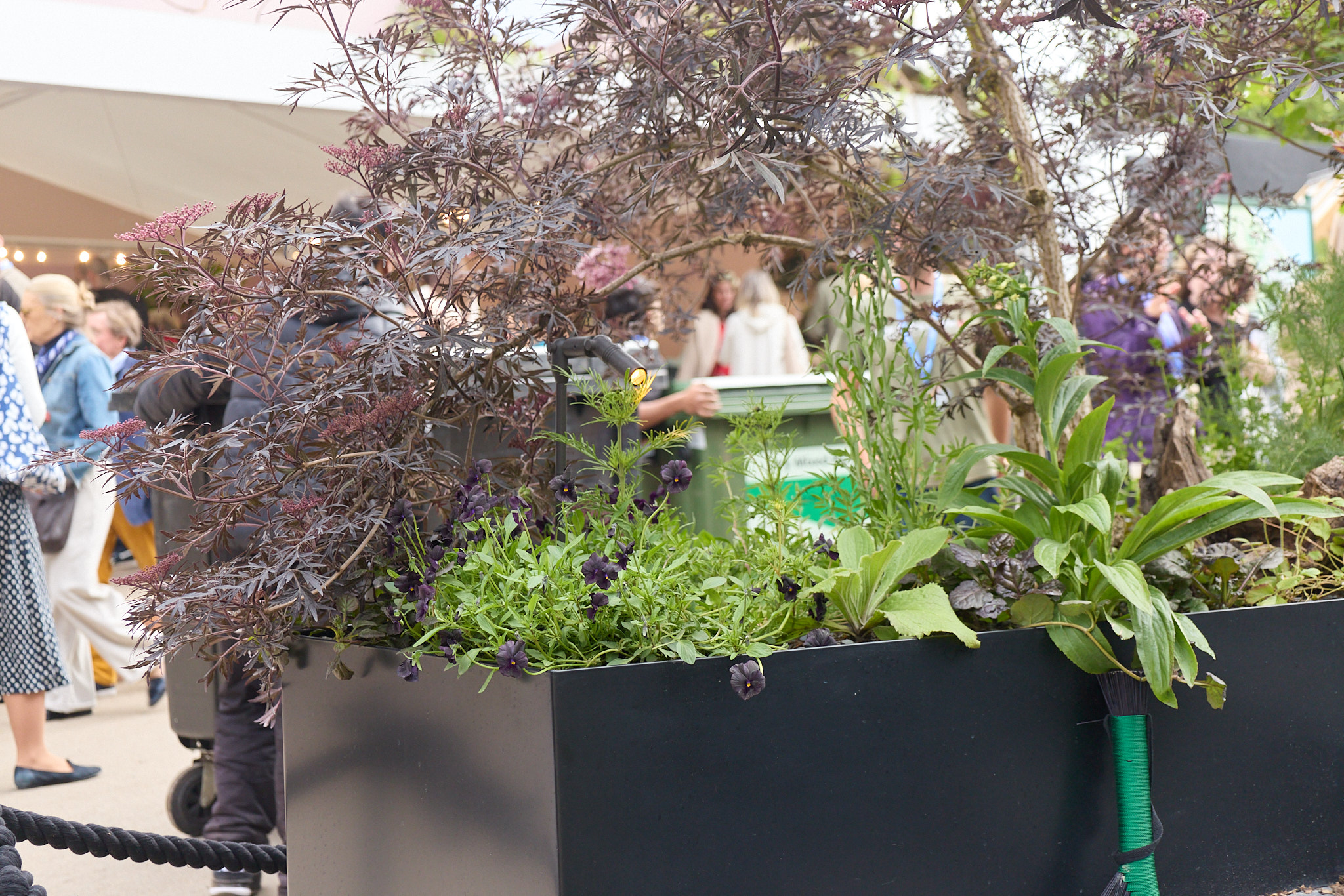
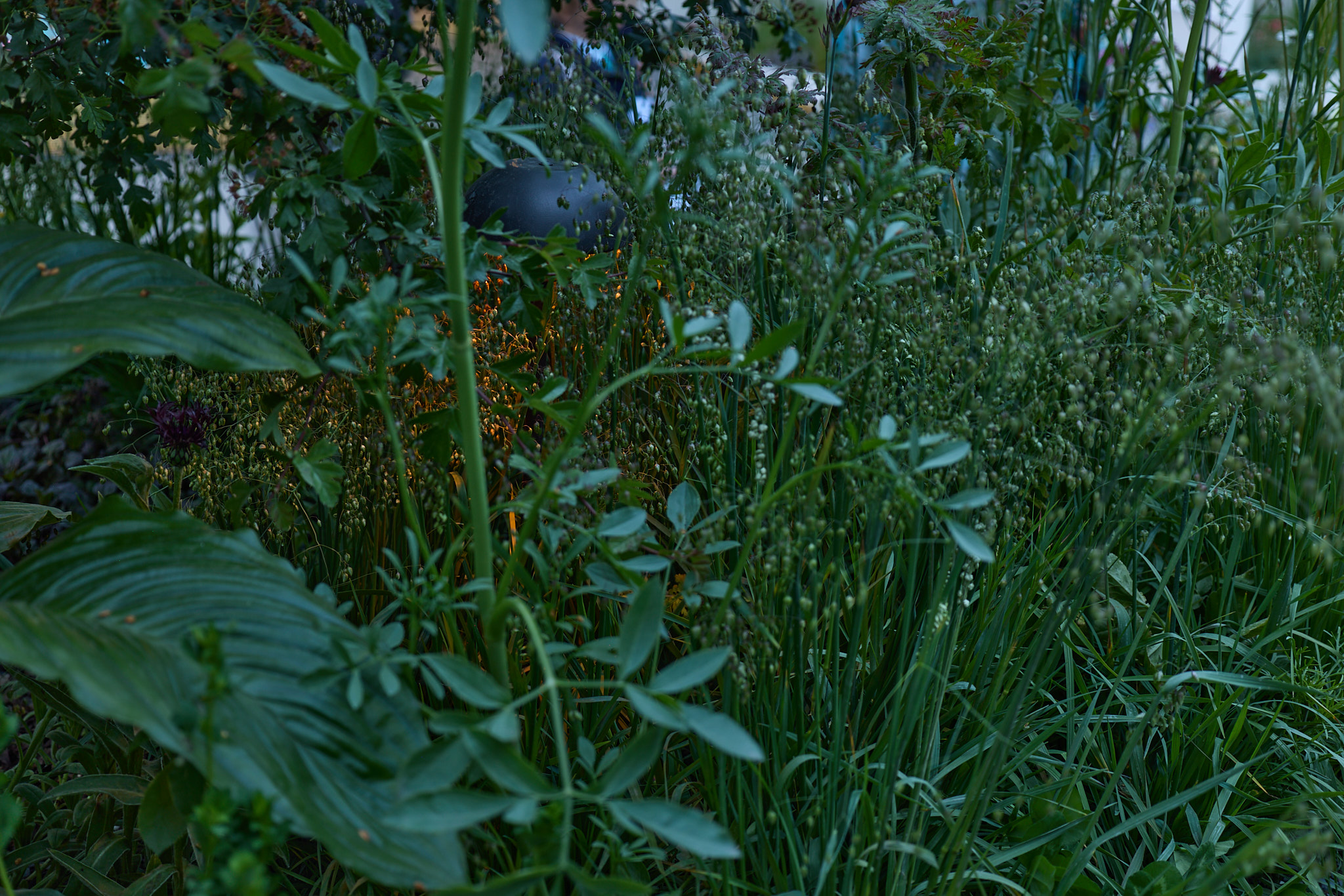
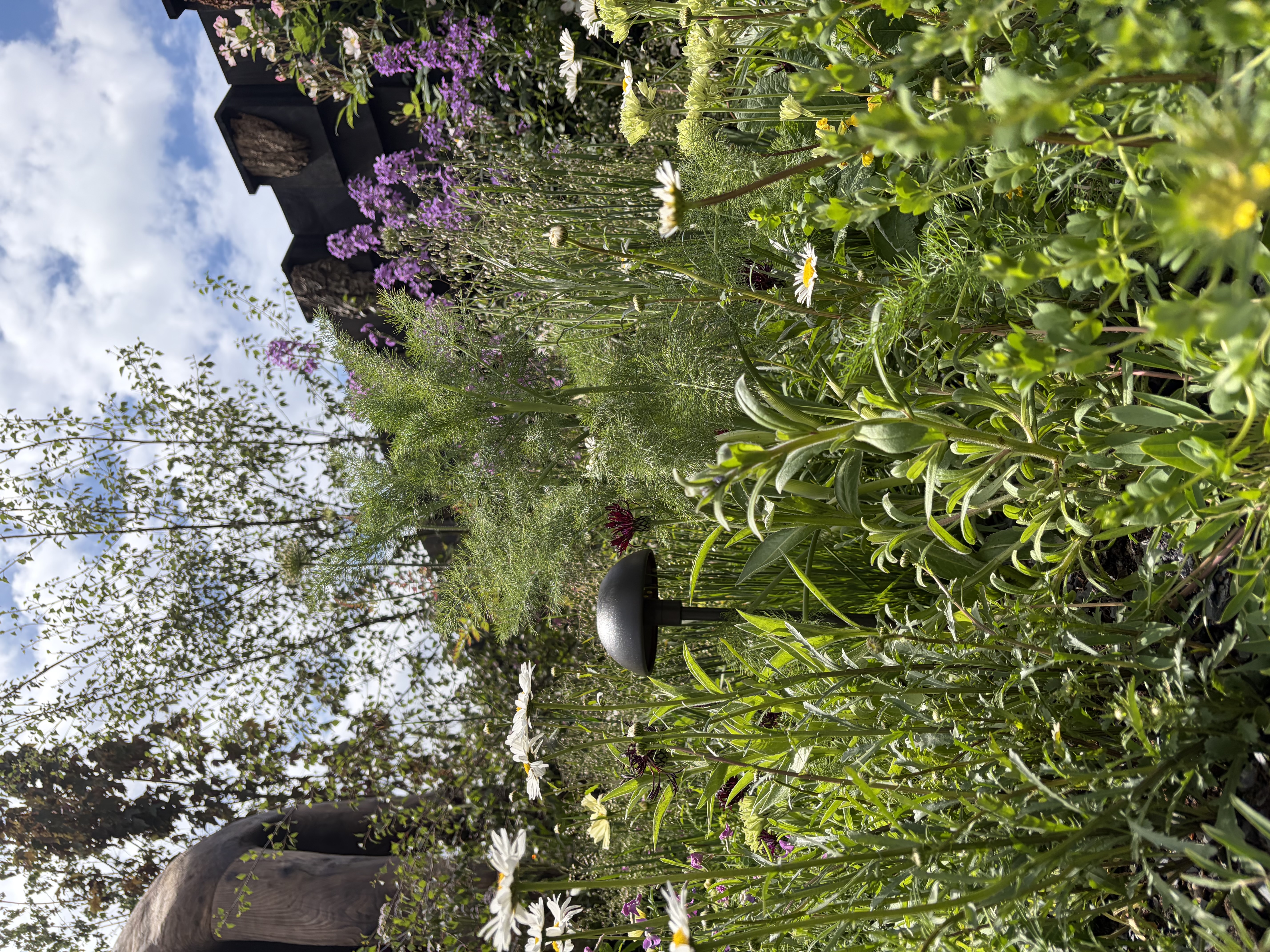
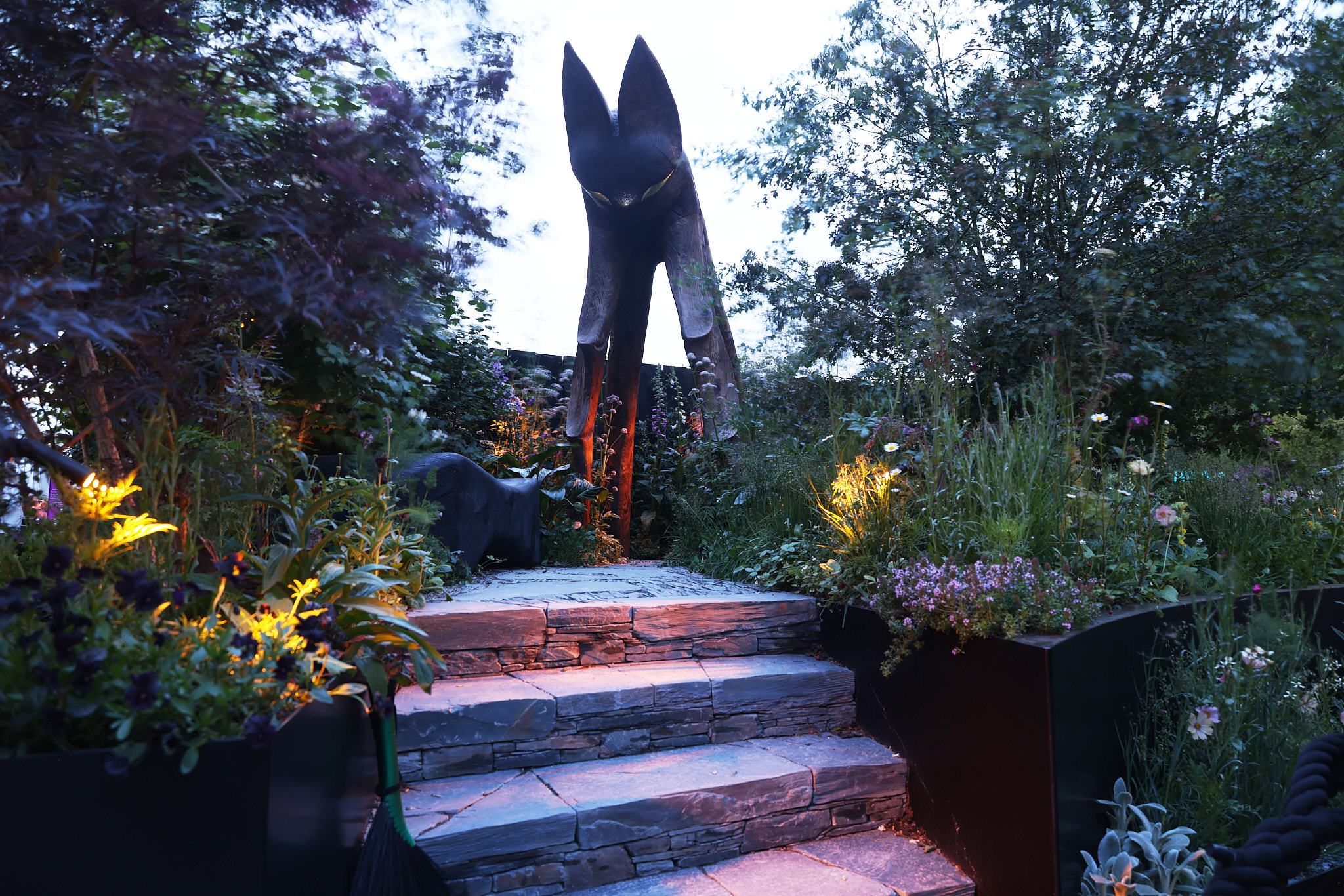
But colour temperature is only one part of the story. How you point the light matters just as much as what colour it is. Every fitting in the Nocturnal Garden is mounted below 2 metres and aimed downward - planting lights to gently pick out the soft scape, and downward spike spots and multi stem masters to illuminate the steps and circulation spaces. There is zero uplighting. No light spills upward past the horizontal plane. No light reaches the lower roost area of the garden.
Why this matters for bats: Artificial light near bat roosts or along their commuting routes can delay emergence from roosts, cause bats to miss the peak insect abundance at dusk, and in the worst cases force bats to abandon roosts entirely. Under the Wildlife and Countryside Act, disturbing a bat roost is a criminal offence. Responsible lighting isn't just good practice - it's the law.
And then there's the question most people don't think about - when the light is on at all. The lights in this garden are not on a dusk-to-dawn photocell. They don't switch on simply because it's dark. They come on only when people are present and using the space. Because the moment you step away from a garden, that garden belongs to the bats, the moths, the hedgehogs, and the rest of the nocturnal world. Leaving lights blazing into an empty garden all night is one of the most damaging things we do to urban wildlife, and one of the easiest things to stop doing.
Fun fact: These were probably the closest manufactured lights to the Chelsea show site — from raw metal turned into the finished product in our Coulsdon workshop, the fittings travelled less than 13.9 miles to the Royal Hospital Chelsea. Not many exhibitors can say their entire lighting scheme was made, finished and tested within the same London borough journey.
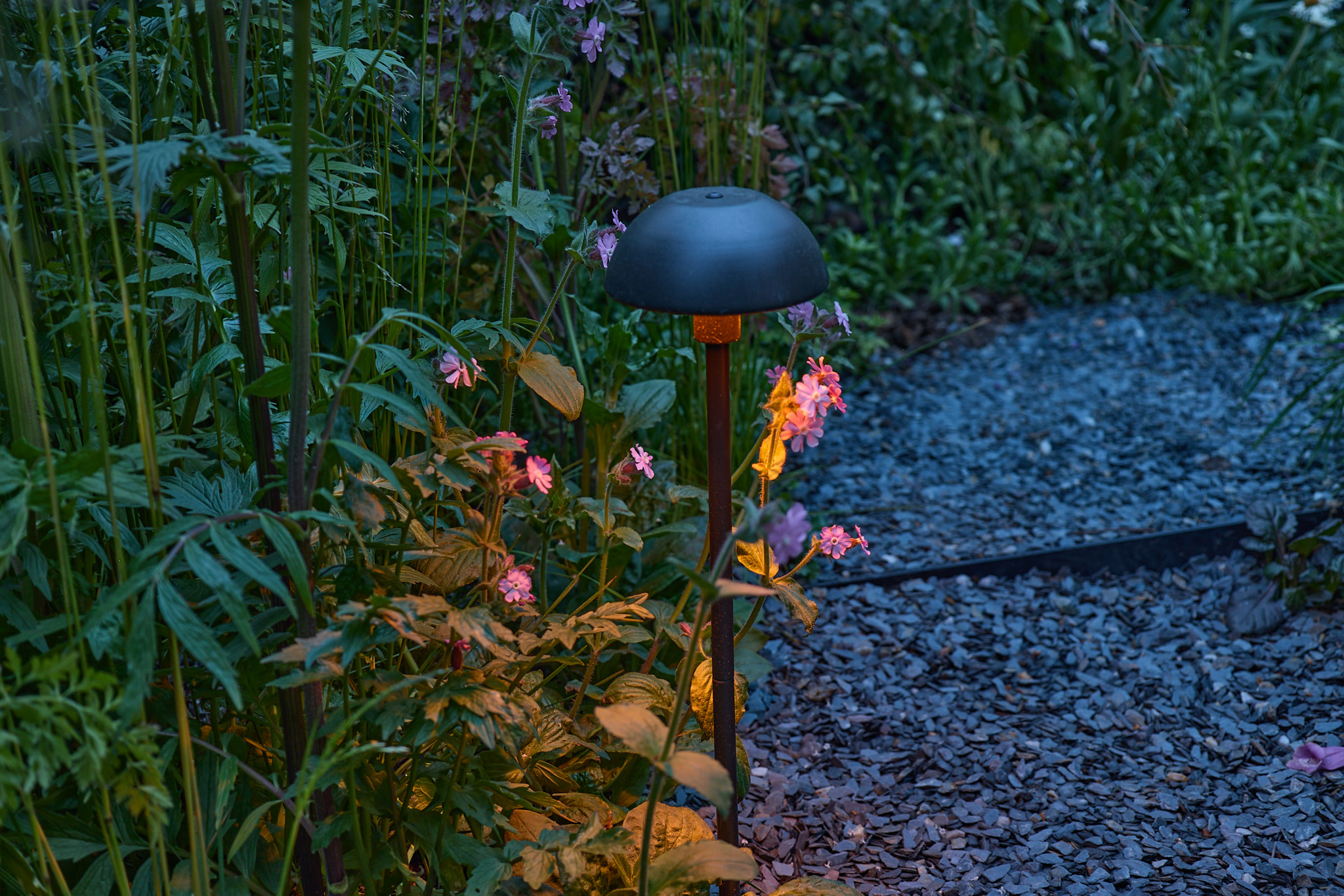
The Nocturnal Garden follows the same principles we apply to every dark sky project we design. These aren't rules we invented for Chelsea - they're the foundation of how we think about exterior lighting full stop, informed by the BCT and ILP's Bats and Artificial Lighting at Night guidance (GN08/23) and our own experience across hundreds of garden lighting schemes.
All light directed at or below the horizontal plane. No uplighting, no sky glow. Light goes where it's needed - on the ground, on the planting - and nowhere else.
Deep amber eliminates the blue-spectrum wavelengths that disrupt insects, bats, and other nocturnal species. 2700K still contains meaningful blue content. We go further.
The lowest output that achieves the desired effect. Illuminate what needs to be seen, leave everything else in darkness. Fade output towards property boundaries.
Not dusk-to-dawn. Not on a timer running until midnight. Lights come on when people are using the garden and go off when they're not. The night belongs to the wildlife.
No light directed at roosts, hedgerows, waterways, or commuting routes. In this garden, the lower roost area receives no illumination at all.
Every fitting is fully shielded with no exposed light source. This controls spill, reduces glare for human eyes, and prevents light from scattering into areas it shouldn't reach.
There's a perception that dark sky compliance means sitting in the dark. It doesn't. It means being thoughtful about what you light, how you light it, and when. The Nocturnal Garden at Chelsea proves that point - it's a stunning space to experience after dark, softly illuminated, atmospheric, genuinely beautiful. And it does all of that without a single lumen of light falling where it could harm the bats it was built to celebrate.
All 18 of Britain's resident bat species eat insects. Everything that feeds a bat - the moths, the midges, the tiny flies - is drawn to and disrupted by artificial light, particularly short-wavelength blue and white light. When we flood gardens with cool-white LEDs left on all night, we're pulling insects away from the habitats bats rely on, disrupting their breeding, and breaking the food chain that keeps bat populations viable. Garden lighting done wrong doesn't just affect your garden - it affects the bat population across your whole neighbourhood.
But here's the thing - you don't have to choose between having garden lighting and having bats. You just have to choose the right lighting. Warm, downward-facing, shielded, used only when you're actually outside. That's it. That's what dark sky compliance is. And the Nocturnal Garden at Chelsea is the proof that it works - designed by an ecologist-minded garden designer, built by a specialist contractor, and lit by a manufacturer who's made dark skies their mission.
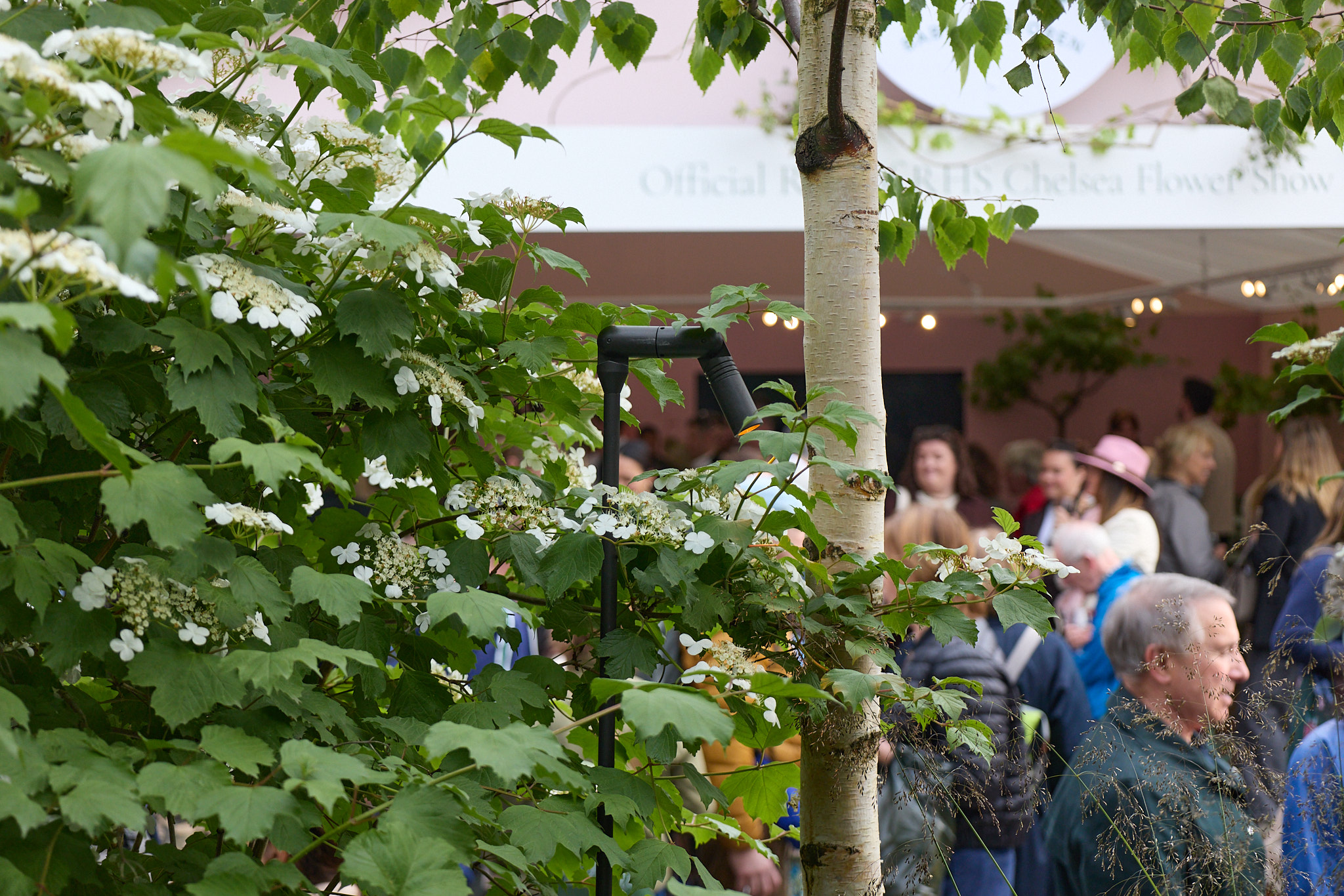
"Dark sky standard lighting is what we're looking for to support wildlife, biodiversity and bats in gardens." - Melanie Hick, Designer of the Nocturnal Garden
We're a bespoke exterior lighting manufacturer based in Coulsdon, Surrey. Every fitting we supply is designed and machined in-house - CNC-turned from solid aluminium, tumbled, anodised or powder coated, assembled by hand, and tested before it leaves our workshop. We don't import finished lights and rebrand them. We make them, from bar stock to boxed product, in our own building.
Our involvement in dark skies started in 2021, when one of our trade customers - Emma Griffin Garden Design - flagged the impact of artificial lighting on wildlife. Since then, we've made it our mission to design lighting that's better for the planet. We now offer a dedicated Dark Skies collection, provide dark sky compliant design schemes, and teach lighting designers and garden designers about the issue through our video content and at industry events like FutureScape.
Chris Hudson, the company's founder, holds LCGD (Lighting Certified Garden Designer) credentials and has developed educational content on the relationship between colour temperature, blue light, and wildlife - from the 4000K cool whites that cause the most damage, right down to the 1800K ambers that eliminate it.
Being chosen to design and supply the lighting for the Bat Conservation Trust's first Chelsea garden wasn't just a commercial milestone for us. It was a validation of everything we've been building towards - the idea that a small British manufacturer, making lights by hand in a workshop in Surrey, can lead on an issue that matters for the future of our gardens, our wildlife, and our night skies.
The lighting was designed by Chris Hudson LCGD and manufactured by Hudson Lighting Ltd at our workshop in Coulsdon, Surrey. We're a bespoke exterior lighting manufacturer specialising in dark sky compliant garden lighting. Every fitting in the Nocturnal Garden was machined, finished and assembled in-house.
For the best bat protection, 1800K (deep amber) is ideal - it eliminates blue-spectrum light entirely. The BCT/ILP guidance recommends 2700K or warmer, but even 2700K still contains some blue light. The Nocturnal Garden uses 1800K exclusively. As a rule: the warmer, the better for bats.
Absolutely. The Nocturnal Garden at Chelsea proves exactly this - it's a beautifully lit space that follows every dark sky principle. Use warm amber light (1800K), point it downward only, avoid illuminating roosts and hedgerows, keep output low, and only switch lights on when you're actually in the garden. That's it.
Blue and short-wavelength light disrupts insect behaviour, pulling moths and other prey away from bat foraging areas. It can delay bats leaving their roosts and cause them to miss peak feeding time at dusk. In severe cases, lighting near roost entrances can force bats to abandon the roost entirely - which is a criminal offence under the Wildlife and Countryside Act.
Dark sky compliance means designing a lighting scheme that minimises impact on wildlife and the night sky. The core rules: downward-facing only, 2700K or warmer (1800K is best), as low output as possible, shielded fittings, no illumination of hedgerows or waterways, and lights used only when needed - not left on all night. We offer a full Dark Skies collection and design service built around these principles.
The garden is being relocated to Clydach Community Gardens in Swansea, which has a strong interest in bat conservation and dark sky principles. The rear timber boundary wall will be dismantled and repurposed into bat boxes - everything in this garden has been designed with a second life in mind.
Whether you're a garden designer, landscape contractor, or homeowner who wants bat-friendly lighting that actually looks beautiful - we can help. We design, manufacture and supply dark sky compliant lighting from our workshop in Surrey.